
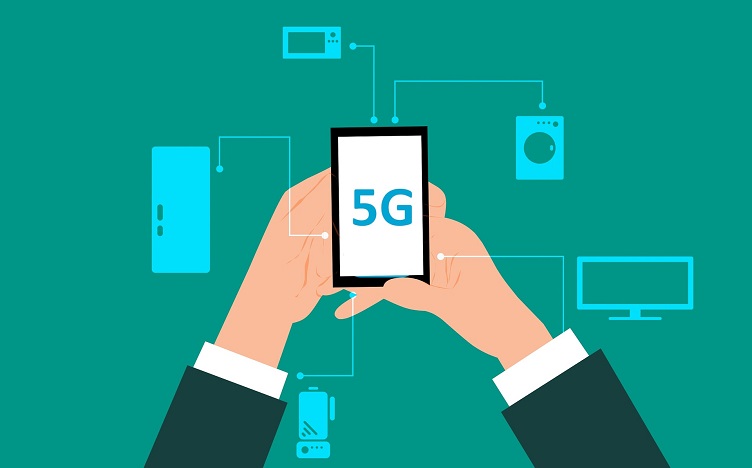
The race to 5G is accelerating at a rapid pace with numerous companies, regulations, deployments and technology adoptions happening simultaneously across the world.
Market research firm Gartner said that 5G in smartphones will begin to roll out in 2019 in select countries such as the U.S. and South Korea. By 2021, Gartner forecasts that 9% of smartphones sold will support 5G, which will be a significant driver of video and streaming services with faster uplinks and support for new artificial intelligence applications.
Sprint announced in August 2018 that it is working with LG Electronics to develop a mobile 5G smartphone for the U.S. market that will be available in the first half of 2019. Just this month at the Mobile World Congress Americas, Verizon said it will begin to offer commercial 5G broadband internet service beginning in October 2018 in a handful of cities.
If 5G will be the future of wireless communications, development of related technology, standards and regulations is of paramount concern. The perception is that the U.S. is falling behind the Asia Pacific region due accelerated deployment there. The lack of standards and regulations in general, and concerns about possible health issues associated with wireless technology in particular, could stall 5G adoption in the U.S.
More than 230 scientists and doctors from 40 countries have already expressed serious concerns about the exposure to EMF generated by electric and wireless devices before the 5G rollout. The concern with 5G technology is that it emits millimeter wave radiation, which has been found to produce neurological and cancerous effects, and is currently not addressed by current FCC guidelines, these groups said.
That’s why cities and health and environmental groups are criticizing the Federal Communications Commission (FCC) for its new order, called “Accelerating Wireless Broadband Deployment by Removing Barriers to Infrastructure Investment.” This order is intended to promote the timely buildout of 5G infrastructure across the country by eliminating regulatory impediments that add delays and costs to deployment.
As part of the order, the FCC will require state and local governments to approve or deny deployments of small wireless 5G facilities in 90 days. If they don’t answer in that time, the FCC will allow wireless companies to sue them.
Some 5G units are smaller than other wireless technologies because the wireless standard works across a shorter range. The shorter range and smaller equipment will likely lead to numerous widespread deployments across the country, and wireless companies will want a quick decision on their construction applications.
Cities, including Philadelphia, San Francisco and Los Angeles, have already voiced concern about the order, calling it too extreme, overly broad and claiming that it doesn’t take into consideration the health, safety and welfare of their citizens. Health and environmental groups are also concerned that the new order won’t allow cities and citizens enough time to vet whether or not the placement of 5G infrastructure could affect their health.
“While promoting broadband technology and development remains an essential City initiative, it is critically important for municipalities such as Philadelphia to balance these goals with the ability to regulate and manage the public ROW [right of way],” said the government of the City of Philadelphia in a statement. “The City’s ability to manage its ROW is essential in order to effectively protect the health, safety and welfare of the City’s over 1.5 million residents and 43 million annual visitors.”
