
Researchers from CU Boulder have developed an artificial intelligence (AI)-based app for mental health diagnostics.
The new app, called delta Mental Status Estimate (dMSE), categorizes a patient’s mental health status by asking patients a series of questions and requesting them to do tasks for five to 10 minutes. The patient, speaking into the phone, answers questions about their emotional state, and are then tasked with telling a short story, completing a series of touch and swipe motor skills tasks and asked to listen to and repeat a story. The AI system assesses the speech samples and compares them to previous samples taken from the same patient and a broader database of patients. It uses this information to rate the patient’s mental state. If the app detects a change in tone from previous interviews, it alerts clinicians and prompts them to check in with their patients. The app is not intended to replace physicians, but rather work alongside them for a more accurate diagnosis.
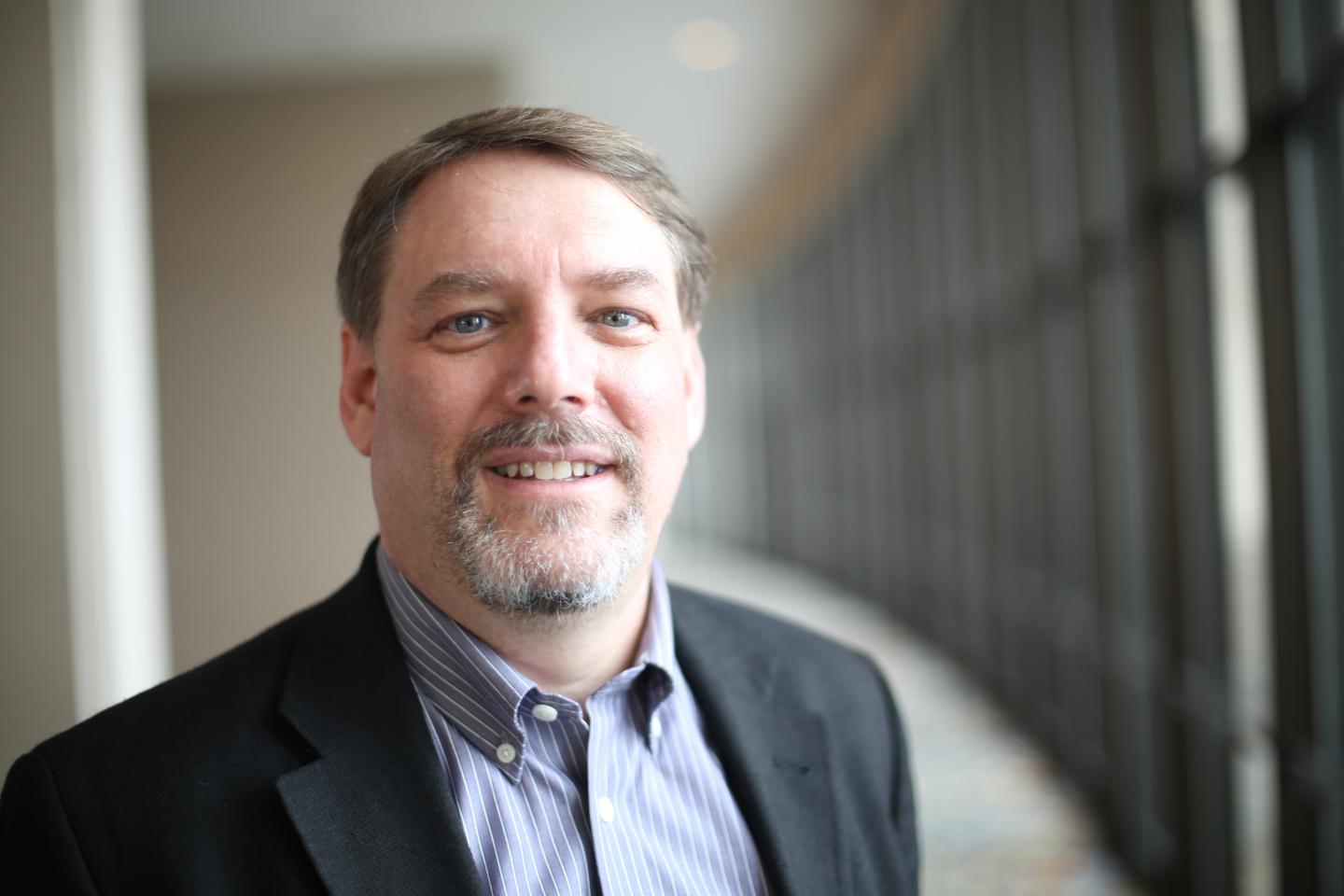 Peter Foltz, a research professor at the University of Colorado Boulder Institute of Cognitive Science, has developed an app that rates mental help based on speech cues. Source: CU Boulder
Traditionally, therapists create their diagnoses and treatment plans based on listening to the patient. This method is subjective and often unreliable due to human error. Often, therapists miss subtle speech cues that show warning signs of illness. The team wanted to make an AI-based program that can detect these small voice cues. Such cues might include a patient speaking in an illogical fashion, which might indicate schizophrenia, whereas a shift in tone could indicate mania or depression. Likewise, memory loss demonstrated in the patient's speech could also be a sign of cognitive issues.
To test the dSME app, human clinicians were asked to listen to and assess speech samples of 255 patients. Half of these patients were living with mental health issues and the other half were categorized as healthy. The app was tasked with assessing the same groups. The team compared the two results and found that the app was at least as accurate if not more accurate than the human clinicians.
The team wants to expand the study to include a larger group in clinical settings. However, researchers suggest that the public will need to learn to trust AI before an app like this will be widely accepted.
A paper on the app was published in Schizophrenia Bulletin.
