
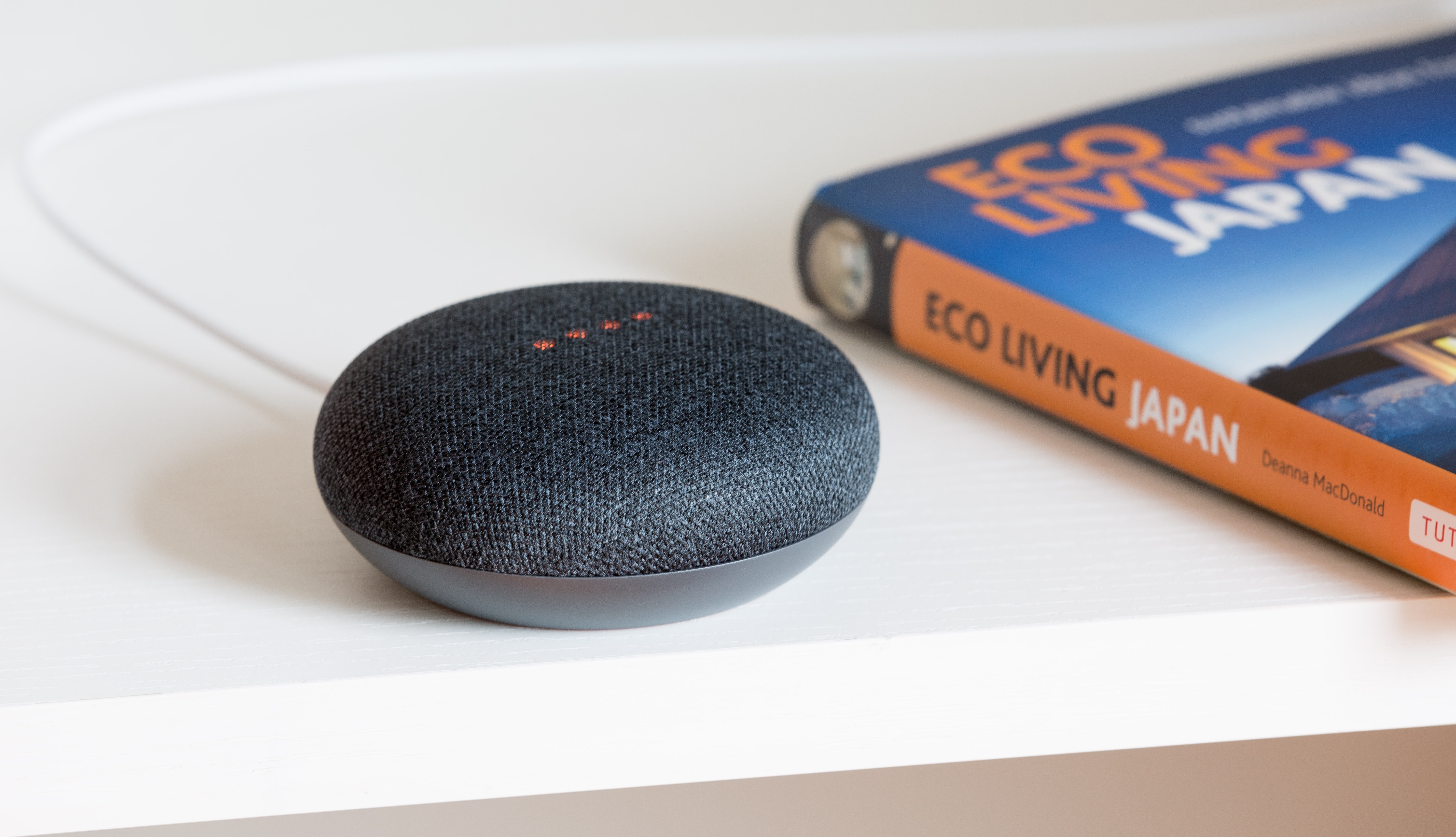
A study from Stanford University looked at how altering a person’s mood influenced their trust in a smart speaker. Surprised by the results, the team conducted a second experiment, which only confirmed their initial findings.
The team's experiments supported the idea that a user’s opinion of how well a tech device performs is the biggest determining factor in trust in the device. But user trust differed by age, gender and education level.
During the experiments, the team analyzed the interactions of 63 participants. Participants used a simulated smart speaker that had a mic and pre-recorded answers hiding under the deactivated smart speaker. Before using the speaker, the participants were surveyed about their feelings regarding trust in machines. They were also shown images that would put them in a good mood, bad mood or not alter their mood at all.
Participants asked the speaker 10 predetermined questions and received 10 prerecorded answers of varying accuracy. After asking the question, participants rated their satisfaction with the answer and reported back if it met their expectations. At the end of the study, the participants reported how much they trusted the speaker.
The results showed that if a participant thought the speaker had satisfying answers, none of the variables that were manipulated changed their mind. In participants who said the speaker lived up to their expectations, people who had less education were more likely to trust the speaker. People over 65 were significantly less likely to trust the device. In the “met expectations group,” mood priming led to increased trust regardless of if researchers were trying to put them in a good or bad mood. The researchers theorized that people may become tolerant or empathetic with the product when emotional.
The results suggest that companies should be looking at an entire emotional spectrum when users interact with a product. The relationship between who humans are and how they feel about technology is complicated. The team said that details about this phenomenon require more research.
The study was published in the Journal of Mechanical Design.
