
In resource-limited areas where medical equipment is scarce, a simple stethoscope could mean the difference between life and death. The availability of an open-source, clinically validated template for a 3D printed stethoscope would be of great benefit in these regions.
The idea to 3D print a stethoscope was born while playing with a toy stethoscope and noticing it performed its 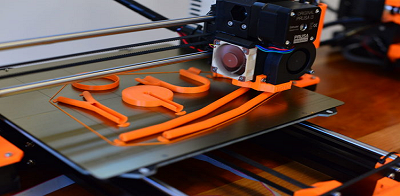 An open-source template for a 3D printed stethoscope has been clinically validated. Source: Western Universityfunction quite well. Engineers at Western University, Ontario, Canada were inspired to design an open-access template for a 3D printed stethoscope that could be created using recycled plastic.
The stethoscope, called the Glia model, was developed using free open source software to keep costs low and allow others to easily access the code. With the Glia template, the stethoscope can be made in less than three hours and costs less than $3 to produce. Anyone with a 3D printer and access to ABS – a plastic used to make garden chairs and Lego – can create the device. The results of a validation assessment show it has the same acoustic quality as the best stethoscopes on the market.
The device is now in clinical use by physicians and allied health professionals in Gaza and is also being trialed clinically at the London Health Sciences Centre, in London, Ontario.
“Stethoscope utility goes up as other resources go down. In London, if someone gets shot, I can use an ultrasound to look inside and see if there is a life-threatening air pocket called a pneumothorax. In Gaza, ultrasounds are not available in emergency departments, or are dilapidated, so the stethoscope becomes an inexpensive tool that allows us to make life-saving decisions,” said Dr. Tarek Loubani, associate professor at the university’s Schulich School of Medicine & Dentistry.
The research is published in the journal PLOS ONE.
