
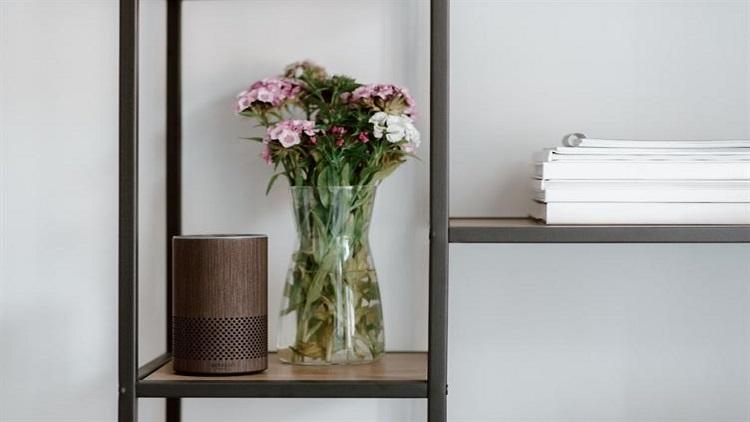
What are consumers looking for in a smart home?
A typical consumer who has adopted smart home technology has primarily done so for the convenience these devices offer. Being able to switch the heating on before leaving the office, switching the coffee machine on in the kitchen while still lazing in bed -- devices are available to satisfy these needs, but how often do we humans just do one thing at a time? Originally most smart devices came with a dedicated smartphone app or bespoke handheld remote controller. Suppose a consumer enters a room and wants to change the lighting, the temperature, turn down the music and turn on the TV. When smart devices first appeared on the market, the consumer would need to access separate apps for each task, and suddenly the convenience is gone.
What is a smart home hub?
In essence, smart home hubs act as a controller for the networked devices that implement smart home features. They act as the system’s focal point, accepting user instructions and issuing commands to devices. The devices manage the operations of different appliances such as air conditioning units, televisions and lighting. The purpose of the smart home hub is to integrate the control of the devices into a single central hub that can operate any connected smart device using standard commands, be that selecting options in a single app or accepting voice commands.
What are the key features?
Compatibility
Usability
Smart home hubs need to be intuitive and straightforward to use. Typical consumers expect products to work out of the box, maybe following a quick installation guide but not needing to read hundreds of pages of a manual.
Smart home hubs need to integrate with new and existing smart devices quickly and simply. The consumer wants to switch on the hub and all existing smart devices to be instantly identified, recognized and control enabled. Of course, the hub will need to determine which smart devices are within the household and which, if any, are in range but are located in a neighbor’s smart home. Also, they won’t want their neighbor’s smart home hubs to recognize their own devices, so there must be a mechanism for authorizing integration. Similarly, when a new smart device is purchased, the consumer wants to switch it on and work with their existing smart hub. This instant integration needs to be balanced with security.
Where voice control is considered, the hub needs to work sufficiently reliably with all users. This is challenging given the range of tones, frequencies, intonations, accents and languages within a single household, let alone across the marketplace. A hub that only recognizes speech commands some of the time or requires the user to change from their natural voice to be understood will quickly fall out of favor.
Trust
Concerns over privacy and data protection tend to take a back seat in consumer mentality until something goes wrong. There is a general acceptance that popular voice-activated smart hubs monitor conversations and send the recorded information back to a central processing facility. Here automated systems analyze the speech to identify if a command has been issued to the smart hub and learn to better recognize the user’s speech patterns. Occasionally it transpires that there are humans in the loop who hear recordings, and there have been court cases where recorded conversations have been used as evidence. Should there be a publicized case where a recording of a profoundly personal conversation is leaked to the press or used for coercive purposes, it would not be unexpected to see the manufacturer of the smart hub in question undergo reputational damage. Having secure systems to protect consumer privacy and affirm a trust relationship between smart hub suppliers and consumers will potentially be a necessity for market longevity.
Intelligence
Smart home hubs need to be intelligent; switching smart devices on and off is great, but that’s not what a smart home should be reduced to. Interrelationships between devices and the user’s typical behavior should be learned if the hub will deliver maximum consumer value. Recognizing that when the television is switched on will also need lighting levels to be lowered, room temperature to be raised, and the radio switched off will turn a helpful product into a fantastic product.
What is the state of the current smart home hub market?
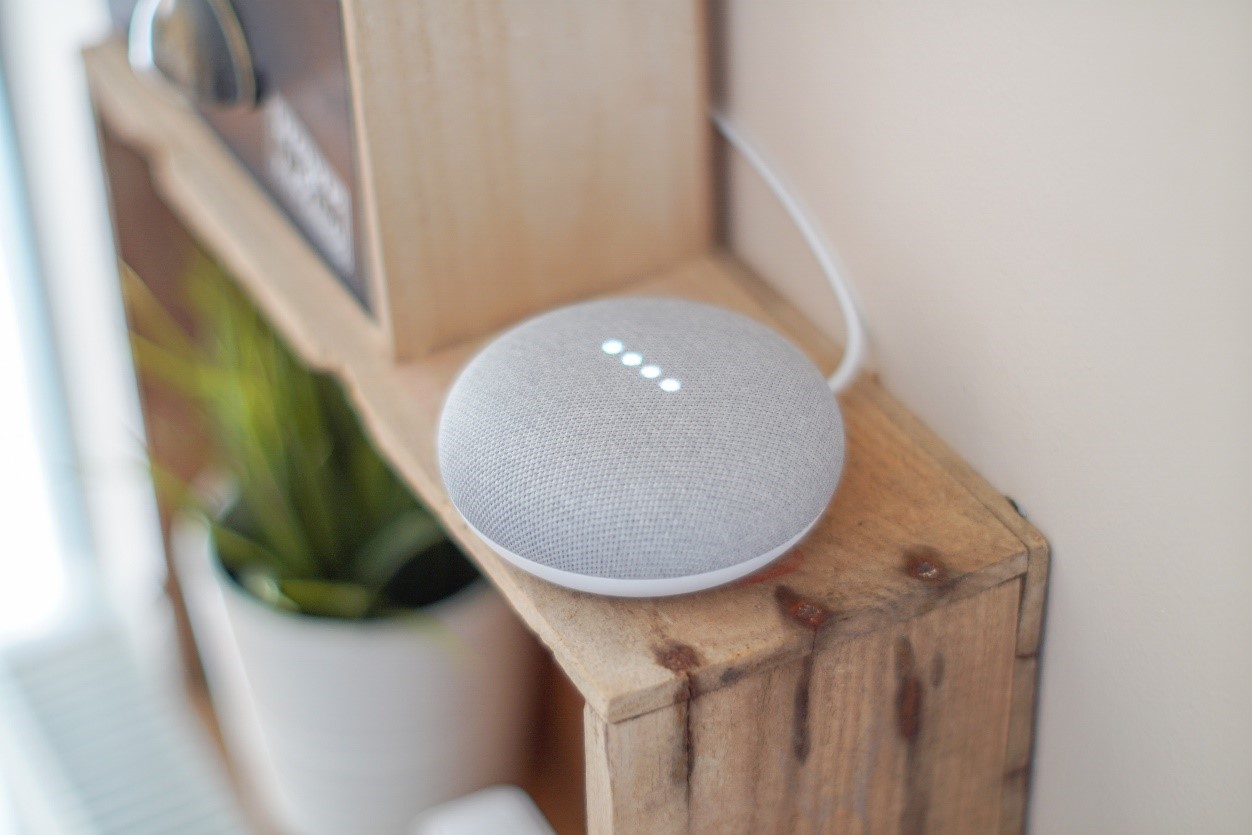
There are currently around ten commercially available smart home hubs that offer a range of capabilities and compatibilities in the $50 to $500 price bracket. While this market is still relatively immature, the trends are for more competitive pricing while increasing functionality, making this challenging. As the market is approaching its tenth year, predictions indicate significant growth potential as the adoption of smart home technology expands worldwide. While homes only have one or two smart devices, the demand for smart home hubs is muted. On its own, a hub has no practical value beyond the novelty factor. As homes increasingly incorporate multiple devices, the consumer will see the advantage of a central hub and be more likely to commit to acquiring one.
While the earliest generations of smart home devices relied on Bluetooth and Wi-Fi for communications, these technologies are relatively inefficient for smart devices to incorporate. Currently, popular protocols such as Zigbee and Z-Wave have improved efficiencies that match the move toward smaller and smarter IoT devices. However, achieving compatibility with the number of competing protocols available puts pressure on smart hub designs.
 (Public domain)
What is the future for the smart home hub market?
Brand new high-value builds often incorporate smart technology as a sales feature, but the most significant market will come from adoption into existing homes. One of the barriers to smart home adoption is the cost to replace a working system, such as a thermostat or an alarm system, with an intelligent version that effectively does precisely the same function from the consumer’s point of view with a significantly increased cost. Unless the consumer is looking for smart technology features, the move over to smart devices will take time to gain traction. This will be particularly seen in heating and air conditioning systems, where equipment lasts decades before needing replacement.
Smart devices are increasing in function and availability while reducing in price. There will come a tipping point where widescale adoption of smart devices will take off. This is the point where significant growth in the smart home hub market can be expected. The energy efficiency improvements that smart home technology delivers over traditional home systems have the potential to be a significant factor in adoption. A clear value proposition and long-term return on investment will bolster sales initiatives.
The moves in the international community towards developing and rolling out agreed standards for smart devices will allow hubs to improve compatibility at a lower cost and with greater efficiencies.
Conclusions
The smart home hub market is immature, and technologies are evolving. Still, the take of intelligent consumer products and the shift towards a smart home philosophy can be seen in markets worldwide. While the U.S. leads the world, Europe and East Asia are following close behind. Smart home hub adoption will be broadly driven by the average number of smart devices per household. As smart device use increases, the arguments for including a smart hub strengthen, and the market potential will be realized.
About the author
Stephen Mash is a freelance editor from the U.K. He has over 30 years of practical experience in IT, aerospace, defense and communications sectors. He develops and assesses safety-critical and business-critical systems, providing risk management and cybersecurity consultancy. He has a bachelor’s degree in electrical and electronic engineering, and has been a Member of the Institute of Engineering and Technology (MIET) for over 20 years.
