
Arbin Instruments has a new patented three-electrode (3E) coincell design that offers users an affordable three-electrode cell holder that allows for long-term cycling and provides consistent results between samples.
When researching battery materials, the use of a reference electrode allows developers to measure and 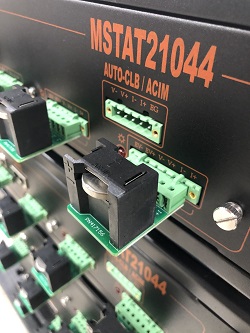 Source: Arbin Instrumentsdifferentiate the contribution of each component in the cell to the overall cell performance. Three-electrode experiments help identify which electrode (anode or cathode) limits the cell performance during long-term testing. These experiments allow researchers to isolate and analyze the individual contributions of the anode and cathode material in the battery, thus expediting the overall development process for electric vehicle (EV) applications.
Source: Arbin Instrumentsdifferentiate the contribution of each component in the cell to the overall cell performance. Three-electrode experiments help identify which electrode (anode or cathode) limits the cell performance during long-term testing. These experiments allow researchers to isolate and analyze the individual contributions of the anode and cathode material in the battery, thus expediting the overall development process for electric vehicle (EV) applications.Compared to traditional Swagelok-style three-electrode cells, Arbin's new 3E coincell is lower cost, geared for mass scale testing and easy to compare with published data. Unlike homemade three-electrode solutions, the new device yields consistent results and delivers long-term cycle life without leakage.
The 3E holder and coincell kits can be used with any instrument capable of measuring the reference electrode, and are also designed for use with Arbin's MSTAT and optional accessories of Arbin's MZTC Multi-Chamber.
