
Researchers from the University of Warwick conducted a study that found that U.K. consumers do not trust smart home devices despite making people’s lives easier.
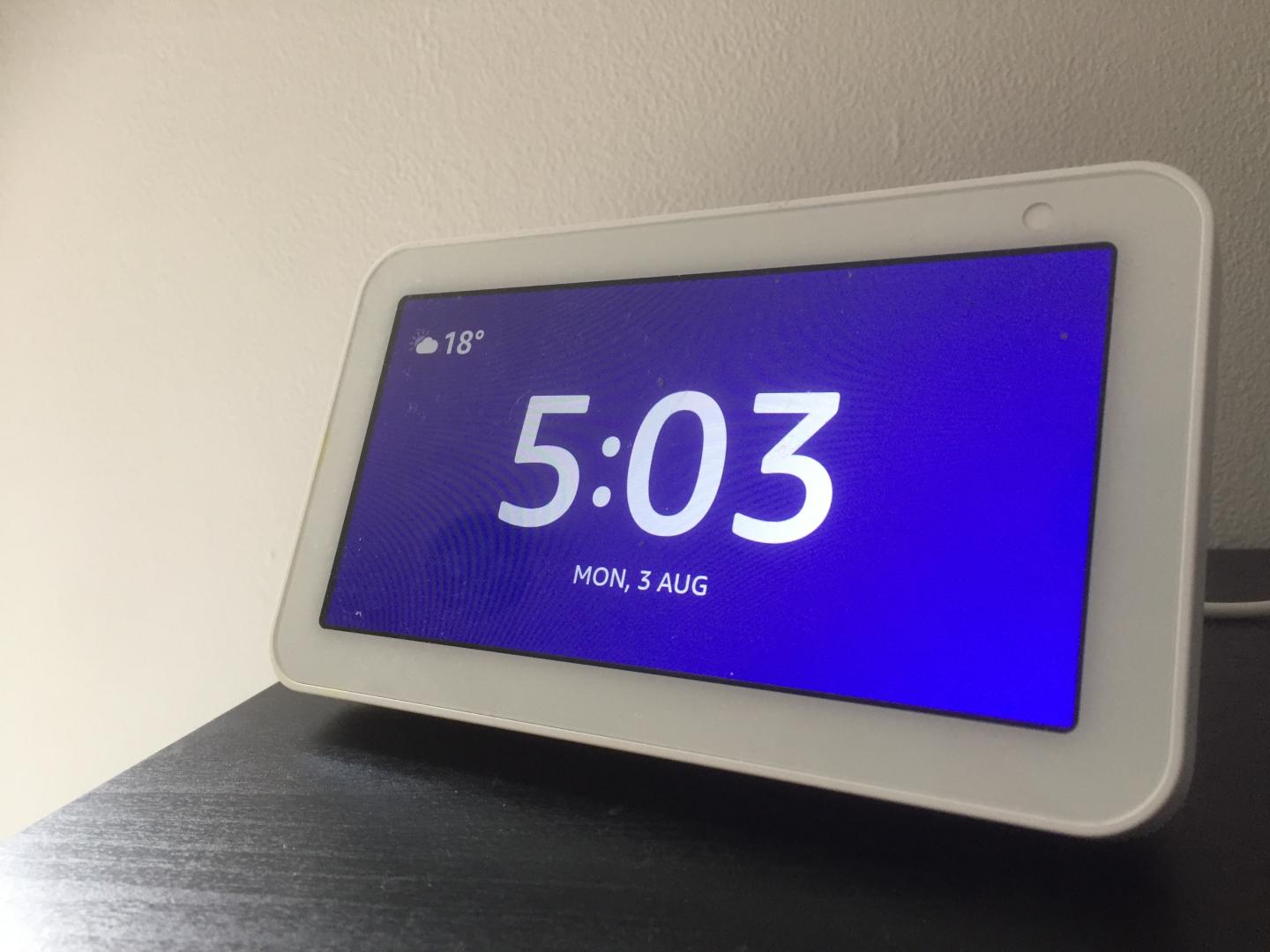 Smart home technologies are marketed to enhance the home and make life easier. However, U.K. consumers are not convinced that they can trust the privacy and security of these technologies, a study by WMG, University of Warwick has shown. Source: University of Warwick
The team carried out a survey of 2,101 U.K. consumers, measuring participant acceptability of smart devices, awareness, experience, trust, satisfaction and intention to use. The topics included: awareness of IoT, the current ownership of and experience with smart home devices, trust in reliability and competence of devices and trust in privacy and security. The survey also gauged satisfaction, intended use of devices in the future and participant's intention to recommend a device to others.
According to the survey responses, consumers had anxiety about the likelihood of a security incident with a smart home device, believing they are likely at risk of a privacy and security breach. The survey also found that young people are the earliest adopters of smart home technology, but there was also a spike in adoption among adults 65 and older. Meanwhile, less educated people are the least interested in smart home devices.
The team said that businesses and policymakers need to work together to gain the trust of consumers and prove that smart home devices are low risk.
A paper on the survey was published in PLOS ONE.

