
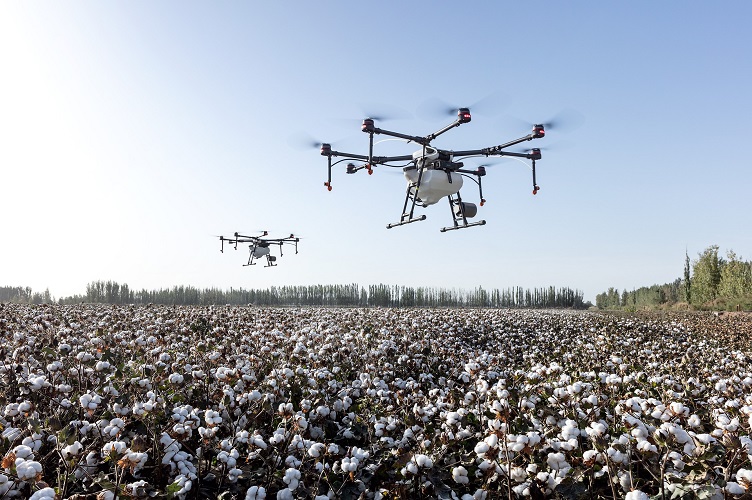
Nokia has conducted what it claims is the first test flight of a drone on a private LTE network to be used during a tsunami or other disaster to help in disaster prevention and evacuation efforts.
The test, which was conducted on Nokia’s Digital Automation Cloud, proved that using an LTE network to control and communicate with drones is an effective means of enhancing awareness of disasters as they are happening and passing that information along to those in the affected population.
The test was conducted in Sendai City, in the Tohoku Region in Japan on Honshu Island, northeast of Tokyo, which has a population of over one million. In 2011, an earthquake hit off the coast of Honshu Island and the resulting tsunami devastated the coastal region and caused the meltdown of the Fukushima Daiichi nuclear power plant.
During drone testing, it was assumed that a major tsunami warning would be issued near the coast of Minami-Gamo Water Treatment Center in Miyagino Ward, Sendai City. Nokia used a private LTE network near the water treatment plant using digital automation cloud technology along with speakers, HD cameras and thermal cameras mounted on Nokia drones. Testers then delivered recorded voice messages and conducted aerial monitoring using video streaming from the drones.
In the simulation, Nokia issued a major tsunami warning to evacuees in coastal areas through the drone speaker and then monitored the tsunami arrival through the drone’s cameras. Drones were also used to guide people to evacuation sites with directions and then monitored the movements of the evacuees using the drone camera.
Additionally, the drone tests showed that first responders can issue disaster prevention and mitigation information without risking personnel in the process, Nokia said.
"The use of these drones seems to be very effective in ensuring the safety and security of Sendai and its surrounding areas,” said Kazuko Kohri, the mayor of Sendai City, in a statement. "The demonstration by Nokia showed that we should be able to respond faster and provide better information to the people in the most affected areas during a potential disaster. We are very hopeful that Nokia Drone Networks will help us to reduce risk for our citizens."
Drones are increasingly being employed for more real-world use cases beyond just personal entertainment. Some of these use cases include a blossoming market for drone deliveries of food, cargo and healthcare items and in industrial applications for mapping and monitoring oil rigs, factories and more.
