
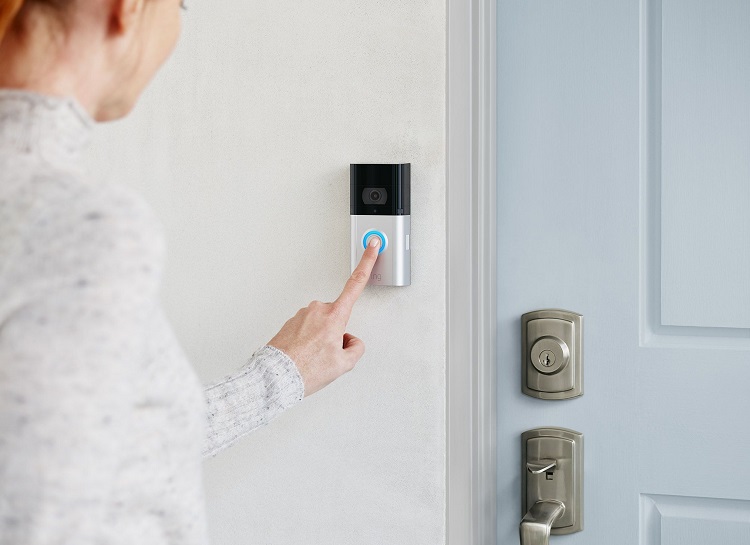
Smart home adoption is growing rapidly and is now becoming a value-added commodity in real estate both buying and renting.
Real estate is moving all-in on smart home devices designed to enhance the lives of buyers or renters, including smart locks, doorbells, smart lighting, thermostats and home hubs.
According to the firm Vantage Market Research, the global smart home market is expected to grow to $423.95 billion by 2028, up from just $75.36 billion in 2020, growing at a compound annual growth rate (CAGR) of 24.10%.
Smart home features like smart garage openers and Ring doorbell cameras are increasingly popular among renters and buyers. Buyers and renters are frequently finding homes and apartments more appealing if they come pre-equipped with smart home technology, according to a report from Realtor.com.
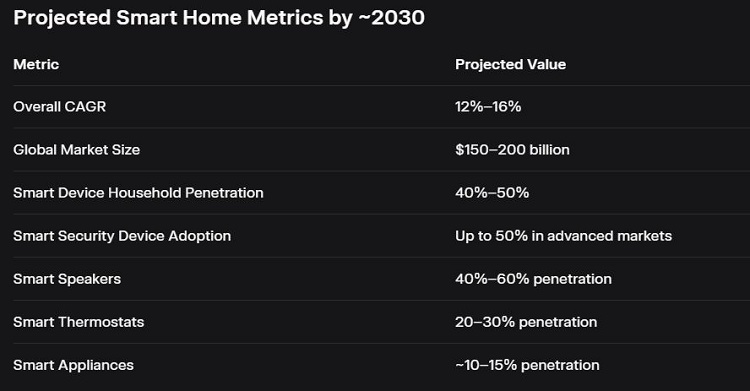 Source: National Association of Realtors
“Smart home technology is no longer just a “nice to have,” it’s increasingly seen as an expectation, especially among younger and tech-savvy buyers,” said Dan Weisman, director of innovation strategy for the National Association of Realtors (NAR). “It has influenced home marketing, valuation, and even renovation priorities, with sellers upgrading devices to appeal to buyers.”
Senior living facilities are also beginning to prioritize smart tech to improve security and efficiency, Weisman said. This includes Amazon Alexa Together subscription service for seniors, which provides 24/7 urgent response and remote check-ins for family and caregivers. It also allows seniors to:
- Set up voice-activated routines for medication
- Create activity reminders
- Access entertainment
- Obtain assistance from the drop-in feature
- See weather updates
- Ask questions
- Listen to music
“So not only are smart home technologies creating value, but it’s empowering people as they age,” Weisman said.
Not a deal breaker
While smart home tech is increasingly influencing buyer/renter decisions, it isn’t a deal breaker, Weisman said.
In competitive markets, smart home tech can help a home stand out with energy efficiency, automation and security as themes in demand among renters and buyers.
“Specific to rentals, tech-enabled self-guided tours and smart locks are also improving the leasing experience,” Weisman said. “For example, Pearl is a product that can help us understand energy usage and what might help increase your home’s value. The company is also part of REACH, a technology scale-up program created by Second Century Ventures, backed by NAR.”
Most popular devices
According to the NAR, the most requested or installed devices include:
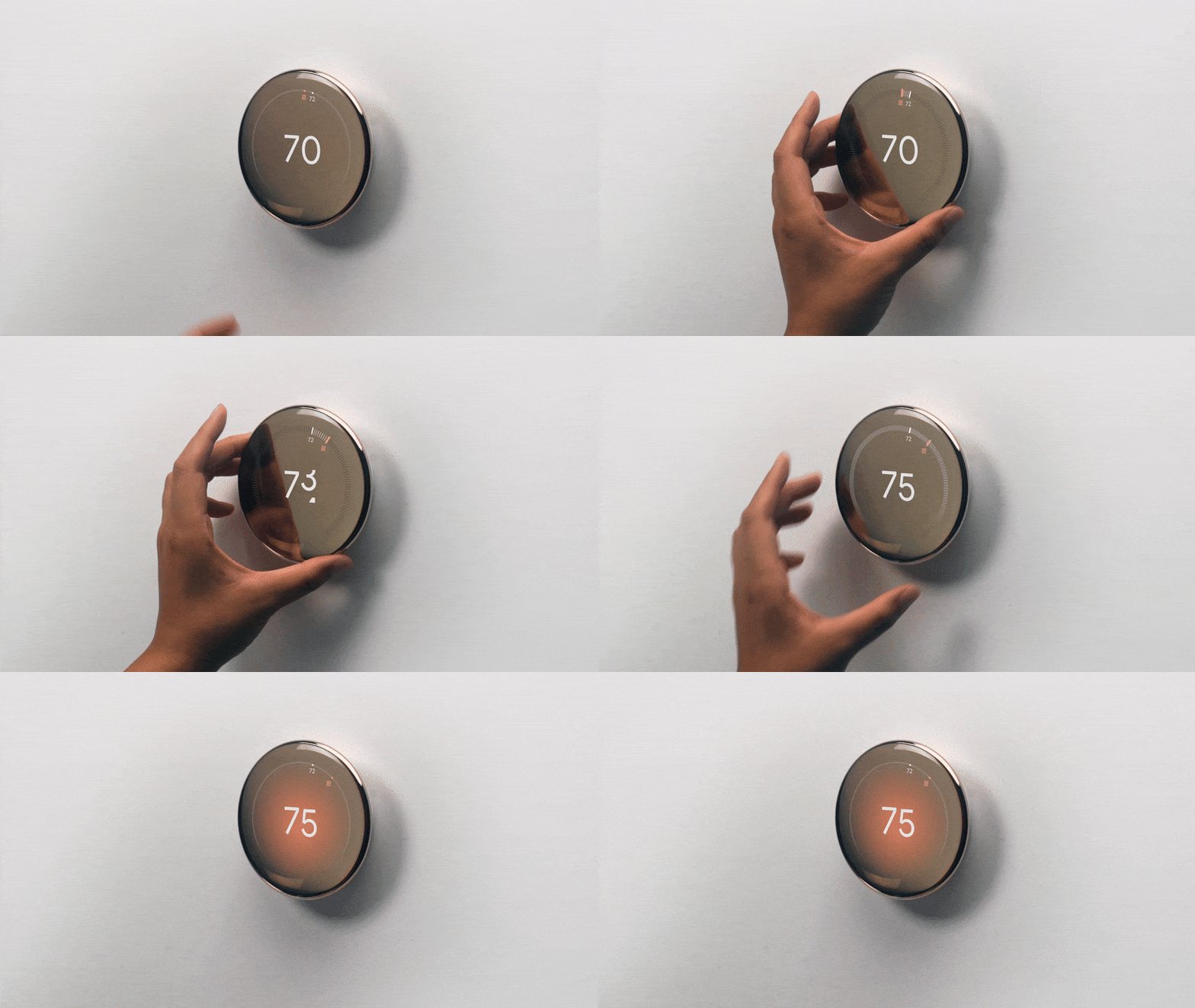
- Smart thermostats (e.g., Nest, ecobee)
- Video doorbells (e.g., Ring)
- Smart locks and keyless entry systems
- Security cameras
- Smart lighting
- Voice assistants (e.g., Alexa, Google Assistant)
And increasingly, renters and buyers are expecting this type of smart home tech in their future homes, especially in newer or upscale rentals.
“Think auto shades that you can put up/down with a voice command, or better yet, shades automatically adjust based on the weather and time of day,” Weisman said. “While it’s not yet a universal requirement, many buyers and renters see smart features as a differentiator, particularly when it comes to convenience, safety, and energy savings.”
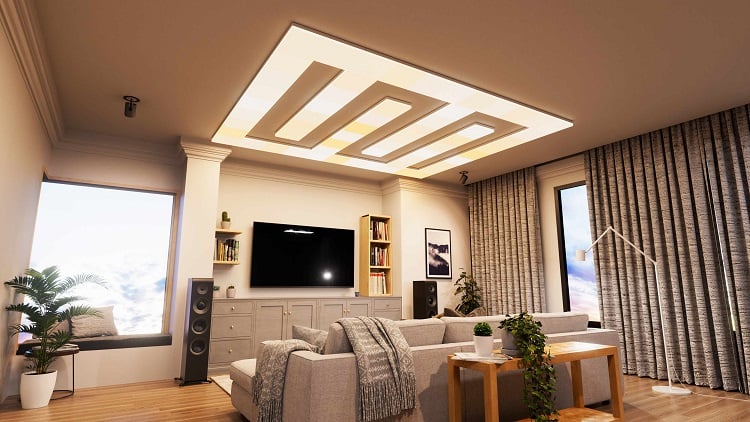 Smart lighting is likely to be one of the next big things in home buying and renting as these customers look to aesthetics in their purchases as well as function. Source: Nanoleaf
Next big thing
While standard smart home devices are currently in demand, other devices will likely be in high demand among renters and buyers in the future.
This includes smart applications like fridges, ovens and washers and tools for leak detection and water management, which will likely help with rising insurance price surges, Weisman said.
Additionally, home energy monitoring systems and home health/wellness devices — air quality sensors and lighting — will increasingly be in demand.
