
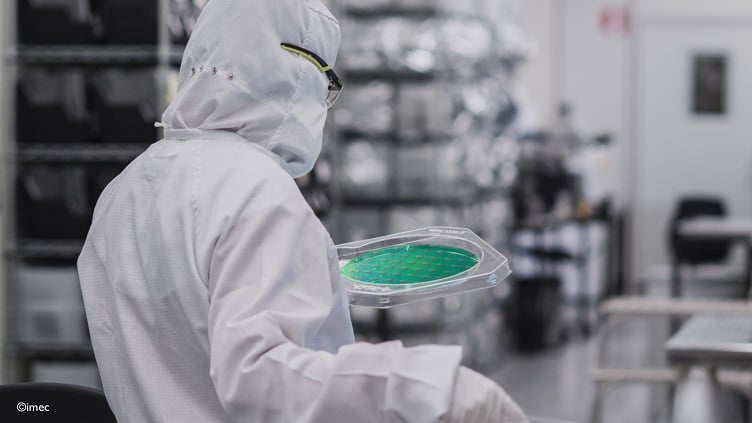
A group of foundries — Samsung Electronics, Taiwan Semiconductor Manufacturing Co. (TSMC) and GlobalFoundries (GF) — have joined the Imec sustainable semiconductor technologies and systems (SSTS) research program.
The program is designed to reduce the ecological impact of the semiconductor value chain and includes system companies, semiconductor vendors, equipment suppliers and now chip foundries.
Imec, a global research and innovation hub, created the SSTS to accelerate the efforts by technology companies to reach carbon neutrality in their supply chain and products in efforts to fight climate change. Imec said studies have found 75% of mobile devices’ CO2 emissions can be traced back to the manufacturing process with semiconductor production being responsible for nearly half of that footprint.
The research program provides companies with information on the environmental impact of choices made during chip technology’s definition phase.
Luc Van den hove, CEO of Imec, said the program’s success hinges on “active involvement of players from across the IC value chain” and adding semiconductor foundries is an “important milestone” in “bringing together the entire semiconductor ecosystem.”
GF, TSMC and Samsung join other companies in the SSTS research program like Google, Amazon, Apple, Meta and Microsoft as well as Rapidus and equipment suppliers Applied Materials, ASML, Edwards, Kurita, Screen and Tokyo Electron.
“By benchmarking our models at GlobalFoundries, Samsung Electronics, and TSMC, we will be able to further refine and optimize the imec.netzero tool, the web application that is at SSTS’s very heart and that allows us to assess energy consumption, water/mineral usage and greenhouse gas emissions associated with the various aspects of chip making,” said Lars-Åke Ragnarsson, the program director of SSTS. “In the longer term, the partner program will also develop recommendations on how to improve the ecological footprint of chips by suggesting novel processes and technology optimizations.”
GF said it is actively looking to minimize the impact on the environment including enhancing manufacturing emission controls, sourcing renewable and lower-carbon energy and engaging partnerships such as the SSTS program.
Samsung agreed that partnering with others in the semiconductor value chain can translate into tangible actions. Samsung said it wants to lead the way in developing innovative technologies that are environmentally friendly to pave the way for future generations.
