
Researchers from RSCI University of Medicine and Health Sciences created a machine learning-based tool that can detect people who are at risk of developing a psychotic disorder.
Some people are considered clinically high risk for psychosis based on criteria including if they have previously experienced brief or mild psychotic symptoms. Only 20% to 30% of at-risk people will eventually develop a psychotic disorder and testing blood for certain levels of proteins might reveal at-risk patients before symptoms start to show, according to researchers.
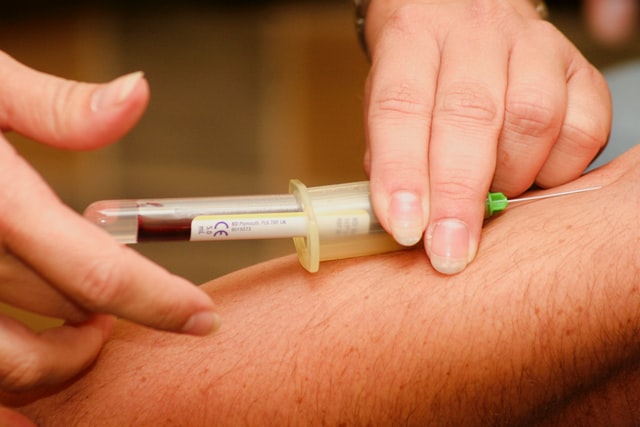 Drawing blood. Source: Unsplash
The team analyzed the blood samples of people who were at high risk of psychosis. In the years after providing blood samples, the team followed up with those individuals to see who did and did not develop a psychotic disorder. To do this, they assessed proteins in blood samples and used machine learning to analyze the data.
Results showed patterns in proteins in the early blood samples that predicted who did and did not develop a psychotic disorder. Blood proteins involved in inflammation suggest that there are early changes in the immune system of people who eventually develop a psychotic disorder. The team’s findings suggest it is possible to predict the mental health outcomes with blood samples taken years before symptoms develop.
The most accurate test was based on the 10 most predictive proteins. The tool correctly identified people who later develop a psychotic disorder in 93% of high-risk cases and people who did not develop a disorder in 80% of cases.
The team is working to commercialize the research and a paper on the technology was published in JAMA Psychiatry.
