High-performance computing (HPC) tools solve complicated and time-consuming problems and are of great value in analyzing modern military and security issues. In the past, data collection activities that generate petabytes of data, such as satellite imaging or unmanned aerial vehicle sensor feeds, could require several 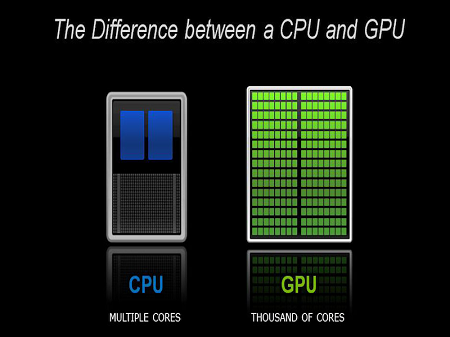 Core differences between a CPU and GPU: Each GPU can provide hundreds, or even thousands, more cores than a typical multi-core processor. Source: Chassis Planshours or even days for processing and were often sent off-site for evaluation. By supplying parallel-processing techniques for solving complex computational problems in a ruggedized platform, the HPC computer can be deployed to in-theater locations and has revolutionized data capture and analysis for military planning.
A new white paper from Chassis Plans delves into the capabilities of HPC and why it is critical for many defense, military and industrial applications. These systems accelerate the processing of geospatial intelligence, videos and images.
Size, weight and power (SWaP) advantages gained by implementing the latest graphics processing units (GPUs) into a ruggedized platform are also addressed. A single GPU server can process and analyze as much complex video and imaging data as 12 dual CPU servers, a performance benefit that can greatly reduce the size of the overall system platform. A fully integrated 2U with single GPU system could be estimated to weigh under 30 lbs, while the stack of twelve systems would reduce the overall platform weight by 270 lbs. A single 2U system with a single GPU has a power draw of roughly 500 W. In contrast, a 12-system version would have a power draw in the 4,000 W range — saving over 3,500 W in overall power draw.
