
A team from Chalmers University of Technology, Sahlgrenska University Hospital and the University of Gothenburg is using plaster-like RFID tags to measure breathing movements in patients with impaired lung function.
According to the researchers, these plaster-like RFID tags can be used to analyze breathing in hospitals or at home in a way that is simpler and more cost effective than the X-rays and CT scans currently used to measure the respiratory function of patients with pulmonary disease or those recovering from surgery.
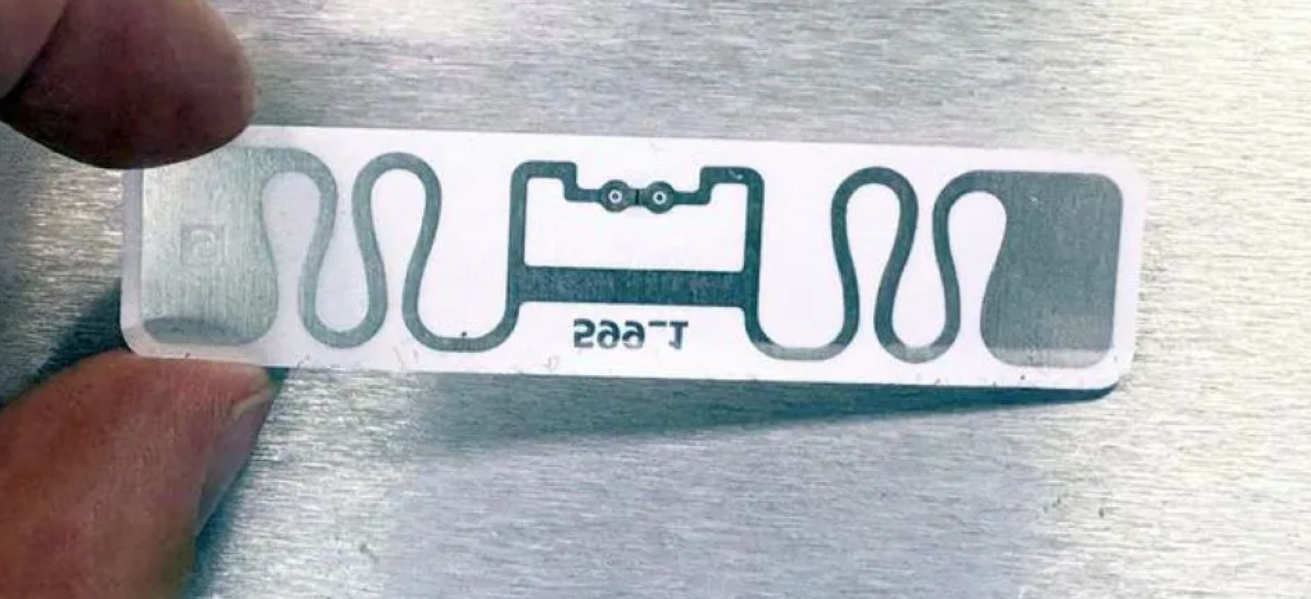 Source: Chalmers University of Technology | Mia Halleröd Palmgren
“To test the idea, we used existing commercial equipment in a proof-of-concept test. We are delighted with these promising results, which show that the technology has potential for advanced monitoring in healthcare,” the team explained.
To test the new approach, the team fitted a computer-controlled mannequin with four plaster-like passive RFID tags, which were placed in different positions on the chest wall. The team used radio waves from a portable device to record the movements of the tags and displayed them as graphs on a monitor.
During testing, the team was able to detect even subtle differences in breathing movements at the different measurement points, thus offering a detailed picture of breathing function.
The team explained that each RFID tag possesses a unique identifier and is powered directly by the reader, thus allowing for fully contactless operation without the need for batteries or cables.
