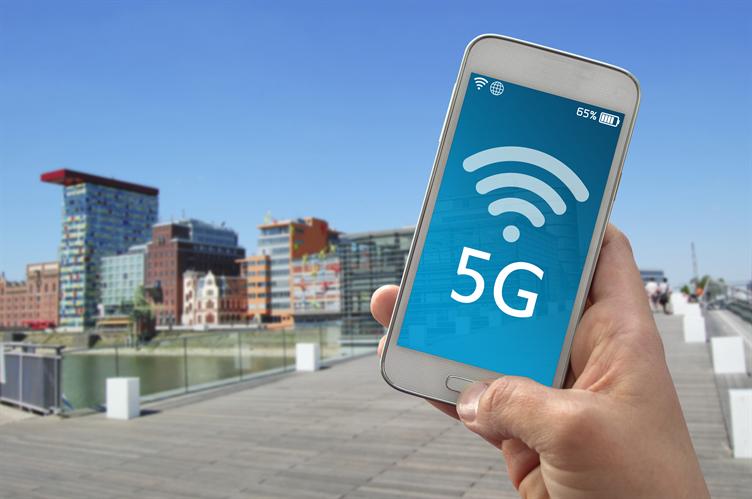
Regardless of country or service provider, having a 5G phone and data plan means having extremely high transfer speed bytes of data transfer at users' fingertips everyday. Service providers are hoping that the faster that information and entertainment can be made available, the more dependent users will become.
The speed of 5G feels like using home Wi-Fi literally anywhere. And it might be tempting to users to spend all their downtime on their phones, but unless they are lucky or wealthy enough for an unlimited data plan, 5G users must consider what entertainment and information to spend their 5G bytes on. The daily routine of checking social media, replying to messages, viewing emails or reading news will not take advantage of 5G's low latency and incredible speed.
So here are three recommendations to get the most out of 5G service.
Stream or update anything, anywhere with 5G service
In the 4G era, users had to plan their media consumption around when they might have Wi-Fi access or a strong enough mobile signal to download and play media. Programming from various apps like Netflix, Spotify or Tidal Master allows subscribers to download content to their device, allowing it to be seamlessly streamed while traveling between cell towers and signal quality drops. Impromptu streaming might happen if the network strength permits. The same principle applies to user captured photos and videos, or miscellaneous apps — cloud backups or updates had to wait until the signal strength was strong enough or Wi-Fi was available.
Media streaming and app updates with 5G can happen in a capricious way, truly on-demand. 4K resolution of Netflix and YouTube will typically need 20 Mbps, so watching for 10 minutes will use 1.5 GB of data. 5G will allow users to stream with 1080 p resolution for more streaming hours with the same monthly capacity of 4G. And users will be able to do this anywhere they have 5G service, or have additional opportunities to download media for later viewing. Apps can also be updated to the most recent release as users are out and about.
There are also other benefits. Mobile users will require a phone with less internal storage, as media, apps and photos are increasingly moved to cloud-based, decentralized storage. This can create a smaller, lighter and less expensive device.
Mobile gaming with 5G
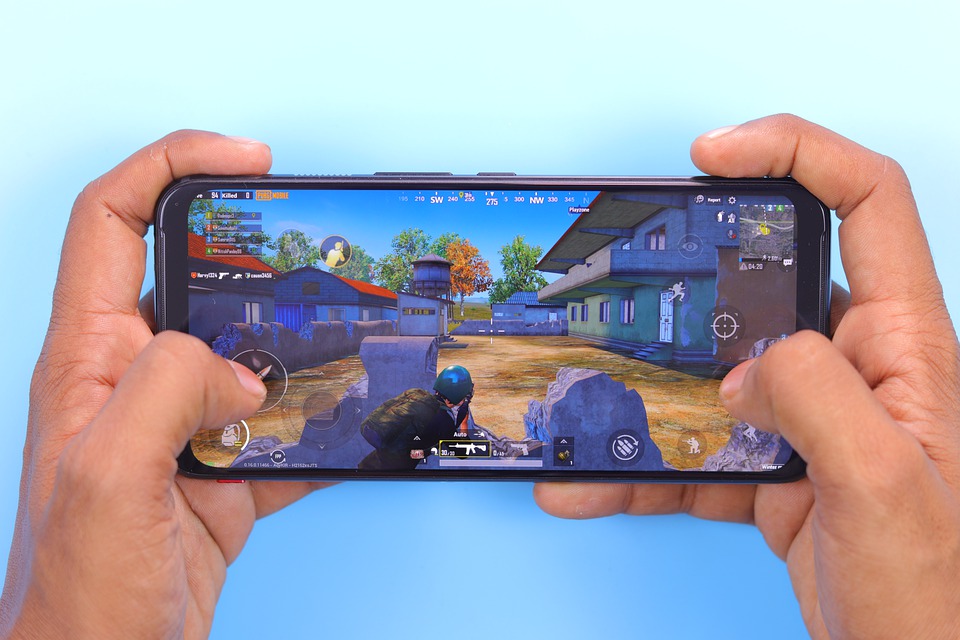 Mobile gaming will get more powerful and prevalent for 5G users.Gaming-as-a-service, or cloud gaming, has always been one of the best ways to enjoy the speed of 5G. The graphical power on mobile devices is getting stronger every year and lots of mobile games are claiming console-like graphics. These mobile games are typically several gigabytes in size, which first must be downloaded to the phone and then occupy valuable storage space. Accessing the memory is power intensive, draining the battery and also warming the device.
The solution is running the games on the cloud and streaming to play them on a phone. No bulky installation, less local processing power, drawing less battery power and creating less thermal heat, and less expensive phone are the immediate benefits. However, to harness the graphical abilities, a good display, and maybe an OLED, is required. But more of the phone's processing can be devoted just to this.
As far as loading and latency times, it is server grade I/O to spawn child processes and threads for a new player; shared resources are all loaded up already and consuming concurrently by other players. Brand new games can be played in a few seconds after being launched and keypresses on the device are responded to within milliseconds due to the low latency of 5G.
Remote broadcasting
Something that gets less attention is that 5G is also designed to have good upstream speed. For many reasons, mobile operators will initially launch 5G services in non-standalone (NSA) mode — the upstream speed will be much slower than downstream. This is similar to what was seen in 4G networks or asymmetric digital subscriber line (ADSL). Later, network operators will transition to standalone (SA) mode that makes the whole infrastructure truly 5G. Once this occurs, upstream speed will catch up and become symmetrical to the downstream speed.
This will provide users the chance to broadcast from remote locations in 4K, perhaps even with 360° cameras. Certainly, stitching of 360 videos will be managed by some cloud servers (or locally if the device can do it), so it might not be a true real-time live broadcast, but will be much improved when compared with 4G and without a cloud. Gaming streamers might be able to take their webcasts on the go, and crowd-sourced event reporting will get much more ubiquitous.
Conclusion
5G connections are still largely limited to metro areas in high-tech countries. There will be many service gaps that will exist for the years ahead. The transition period to unleash the true power of 5G will be much longer than the experience of jumping to 4G a decade ago.
Yet those users who have 5G service today are already seeing the above device and service benefits. And as 5G becomes more widespread, new users will be able to capitalize on the above and even more.