
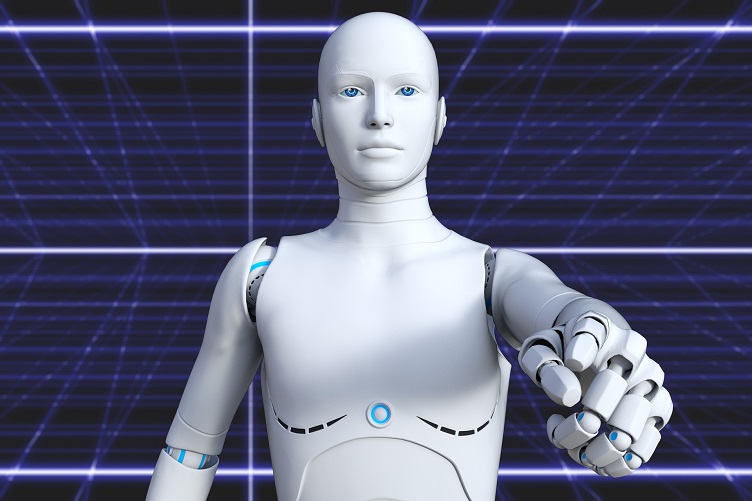
To convert robots from simple machines to intelligent autonomous robots is a revolutionary step involving multi-faceted disciplines of materials science, biology, mechanical engineering, chemistry and computer science.
Researchers from Swiss Federal Laboratories for Materials Science and Technology (EMPA) believe the most important step toward enabling intelligent robotics is through artificial intelligence (AI). Specifically, physical AI (PAI), which is intelligence of the body of a robot that when combined with AI forms a digital brain that could match properties like those found in intelligent living organisms.
"We imagine that PAI robots will only become reality through the use of a variety of unconventional materials and by combining research methods from various disciplines," said Mirko Kovac, a robotics researcher at EMPA. Because of this, scientists would need a broader skill set than is typically seen in the robotics field, working in a multi-disciplinary environment that requires courage and constant learning, Kovac said.
EMPA sees intelligent machines working and living together seamlessly with humans, a symbiosis that can only be achieved if safe interaction is possible and if machines have physical AI allowing them to live like animals together with nature and people.
The full research can be found in the journal Nature Machine Intelligence.
