
Researchers from the University College of London created a way to lower the carbon footprint of artificial intelligence (AI) using memristors. With memristors, researchers could artificial neural networks that are at least 1,000 times more energy-efficient than conventional AI.
Current AI technology is energy-intensive. Training one AI model can generate up to 285 tons of carbon dioxide, the same amount as the lifetime emissions of five cars. By replacing transistors with memristors, emissions could be reduced to the amount generated in an afternoon drive.
Memristors are resistors with memory. Memristors can remember the amount of electric charge that flowed through them after being turned off. When it was first unveiled, this tech was seen as the missing link in electronics to supplement resistors, capacitors and inductors. Memristors improve efficiency because they operate beyond the binary code of ones and zeros. This tech can operate at multiple levels between the same time so more information can be packed into each bit.
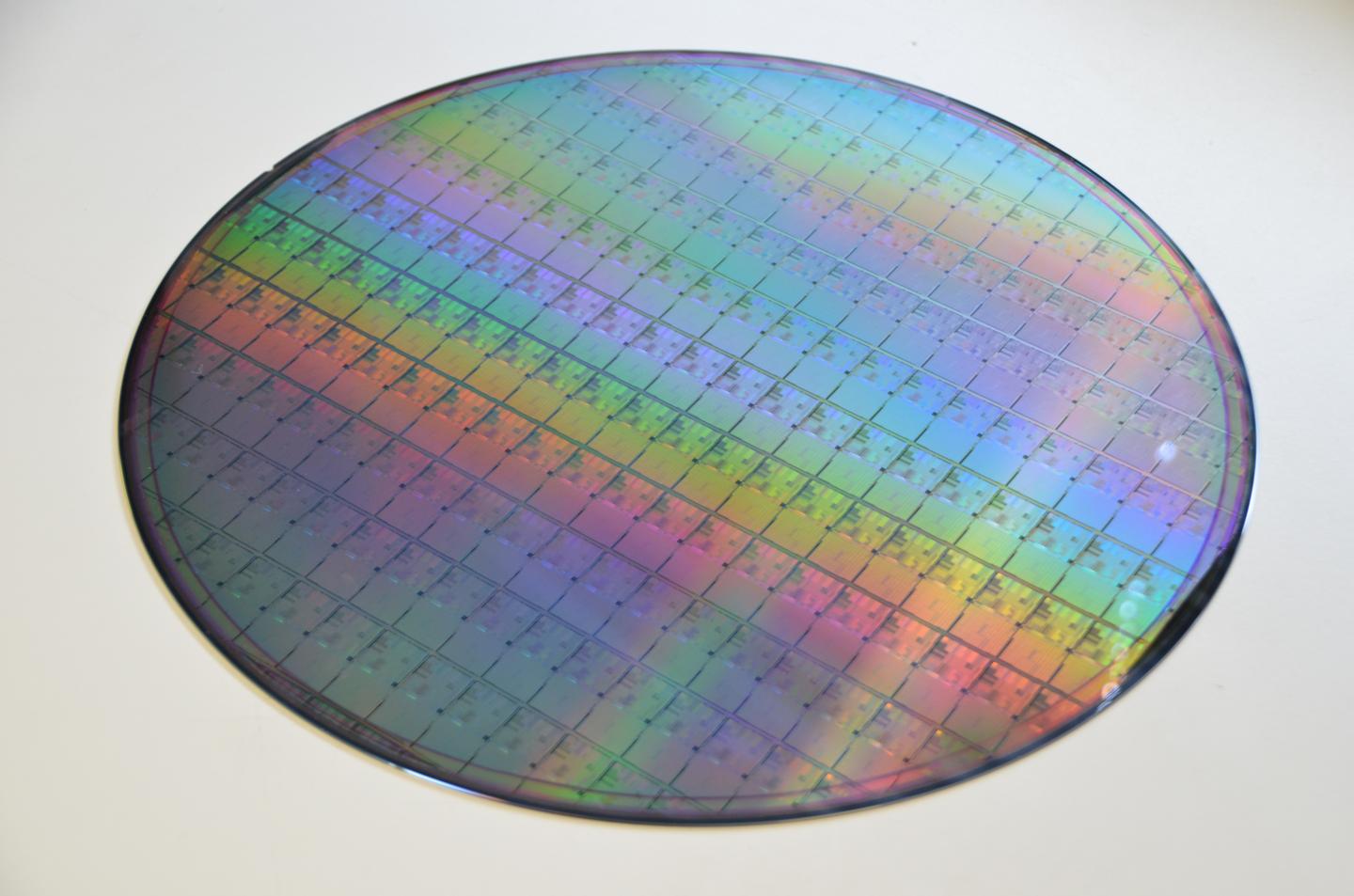 A wafer filled with memristors Source: UCLMemristors can pack a huge amount of computing power into a handheld device. The team says that one-day memristors could eliminate the need to be connected to the internet. This is important because over resilience on the internet may become problematic in the future. Increasing demands for data and the difficulty of increasing data transmission could push internet capacity past its limit.
The accuracy of memristors could be improved by the devices working together in subgroups of neural networks and averaging calculations. Flaws in each of the networks could be canceled out. The team tested this approach in several types of memristors. They found that this improved accuracy in all of the devices, regardless of the material or memristor technology used. It fixed various problems that affect the memristors' accuracy.
The new approach increased the accuracy of neural networks of typical AI tasks to a comparable level to software tools run on the conventional hardware. The team says memristors will be ready to be used in AI systems within the next three years.
A paper on this technology was published in Nature Communications.
