
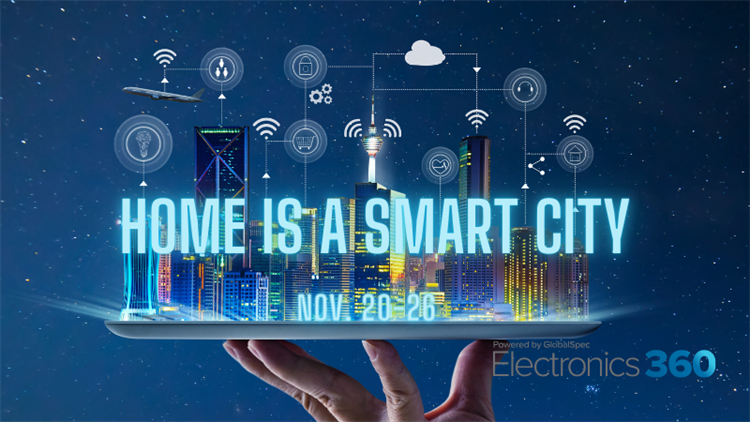
Smart technologies and the internet of things (IoT) aren't just for personal devices or inside buildings. They are slowly being deployed in the average cityscape, transforming transportation, citizen safety and energy use.
As a result, cities — and citizens — are likely to evolve. If transportation is optimized, it reduces demand for personal vehicles, potentially giving room for bikes, scooters and pedestrians. The natural ebbs and flows of renewable energy will require responsive power management, especially if grids need to supply for EVs as well. Wireless networks will be pervasive, as each traffic light, cross walk, vehicle, bridge and more becomes a point of data collection. Pedestrians will be constantly monitored, for both better and worse.
There are already plenty of projects underway to bring the smart city to reality on a grand scale — Telosa, USA; Neom, Saudi Arabia; The Orbit, Canada; and Amaravati, India, for example. Never mind the gradual retrofit of these technologies in New York, Chicago and elsewhere, which will make it feel like smart technologies were there all along.
These are some of the most notable trends in smart cities today.
