
Sponsored Content
Consumer Electronics
Finding success using off-the-shelf hardware in custom electronics
01 November 2022
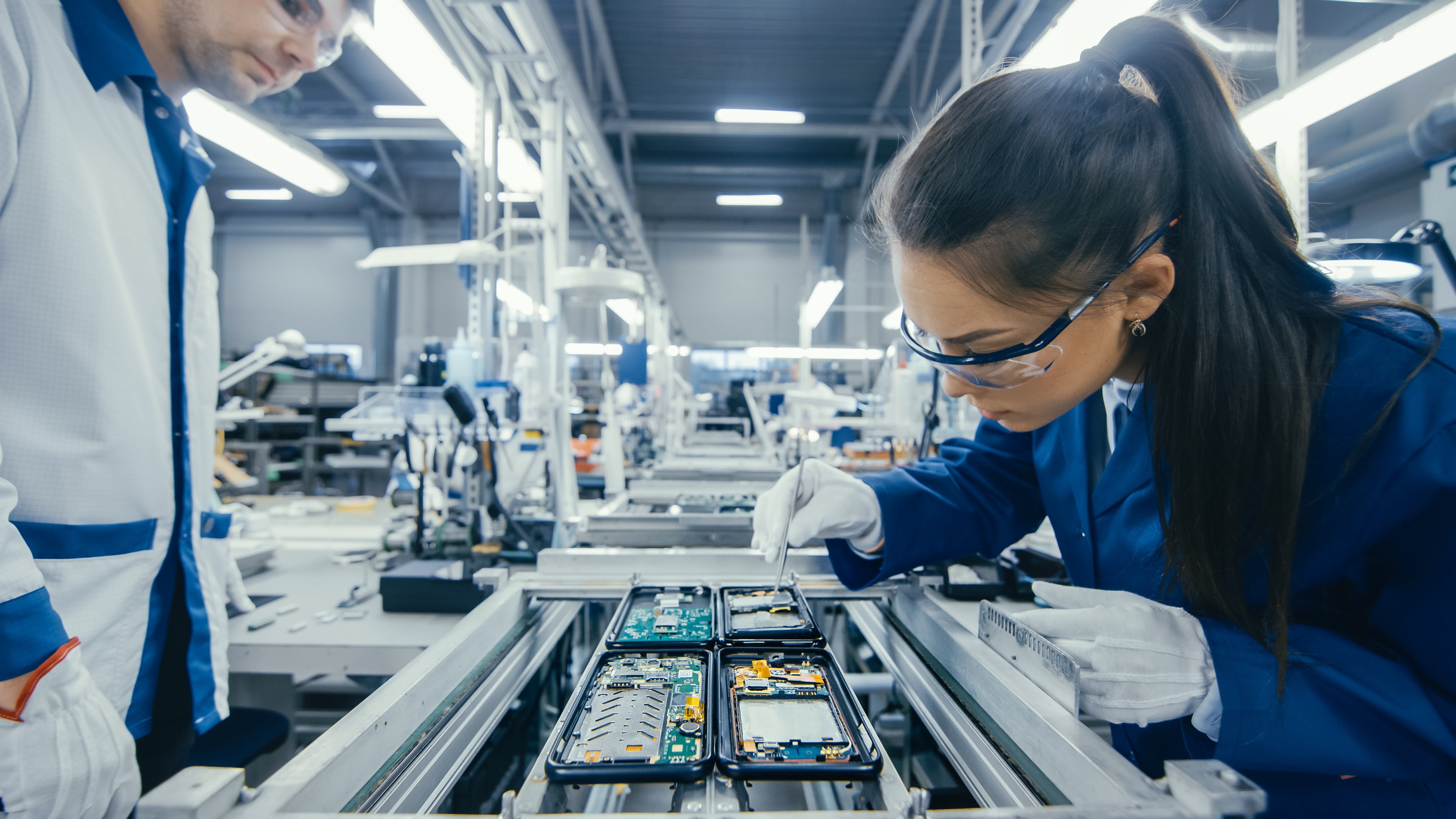 Figure 1. It is imperative to work with a low-volume, high-mix supplier that specializes in transitioning OTS hardware into custom products. Source: Gorodenkoff/Adobe
These days, whenever an engineer has a great idea for a new product, suddenly the pressure is on to get a prototype created and tested with minimal time and cost. A more difficult aspect of building a new electronic product is the physical design and board layout, which requires a special set of skills to design and manufacture. Although product development cycles and production are difficult for many engineers, there are resources to help designers quickly build proofs of concept, prototypes and eventually a mass-produced product.
One strategy gaining popularity is to start with an off-the-shelf (OTS) development kit, modular product or a prepackaged system to build the first generation of a new product. Once a design’s functionality is proven and a decision is made to scale, a systems designer must choose whether to continue with a development product, or scale with a custom board. This approach has led to many popular hardware platforms being developed, but the path to high volume production platform is challenging without help from an electronic manufacturing services (EMS) provider.
The right EMS company can help the designer transition a product based on evaluation boards, modules or other OTS boards into a totally custom design. There are several good reasons to make this transition, but not all EMS providers are equipped to provide the design, development and production expertise required to transition from prototype to product.
Starting with off-the-shelf hardware
Hardware designers and application developers using OTS hardware may take one of the following approaches to design a new system:  Figure 2. OKdo x Radxa ROCK 4 Model SE 4GB Single Board Computer. Source: OKdo
- Start with a microcontroller unit (MCU) or a single-board computer (SBC) to deploy an application
- Start with an evaluation kit for the main processor or chipset
- Combine OTS modules to customize hardware capabilities
The hardware platform selected should provide the freedom to produce the desired application functionality, as well as integration of additional hardware modules or components as needed.
SBCs and MCU boards
Although MCU boards and SBCs were often relegated for hobby projects and prototypes, some of these platforms are used as the foundation for professionally designed systems. Some of these boards are very popular within the open-source community, and designers can leverage these resources to help develop an embedded application for their product. These boards also tend to have a low price point, and they might require no additional hardware be added to the design.
Evaluation kits from semiconductor vendors
A great marketing tool invented by semiconductor vendors is the evaluation kit. These development products are loss-leaders for semiconductor vendors, but they give engineers everything needed for application development and system-level design. Evaluation kits are available at reasonable prices for a single unit, and they are generally thoroughly qualified for functionality, EMI/EMC and application development.
Because these products receive so much review, the design data offers a low-risk foundation for developing a custom product. They are not available at the same price point as a comparable MCU or SBC, and the processor options may be limited. However, for a product like a field-programmable gate array or an application-specific module, evaluation products can help speed up development of a prototype, first-generation product release or a low-volume product.
The modular approach
Another approach to building a new product is to combine modules into a single assembly. Evaluation modules for components can be linked together with an evaluation kit for a processor, MCU board or SBC to expand the capabilities of the host processor. As long as the main board has expansion headers or connectors that provide the required interfaces, it is a simple matter to pack the set of modules into a custom enclosure. 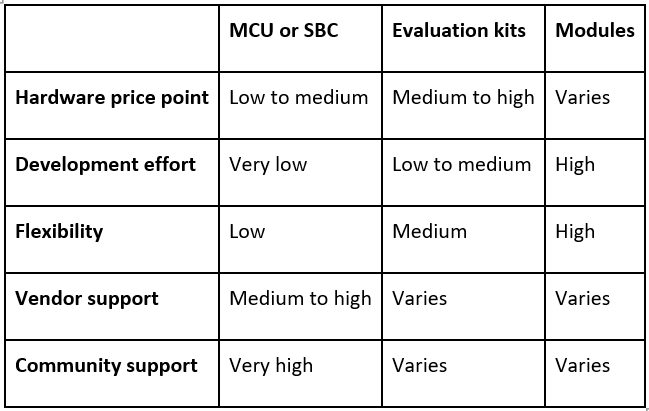 Table 1. Summary of advantages and disadvantages of options for transitioning from OTS hardware to custom solutions.
In terms of physical design and layout, the modular approach makes things easy. On the other hand, the software and firmware development effort required in a modular approach can be significant as modules might lack vendor and community support. There will then be a need for embedded operating system (OS) development, driver development and testing. However, once application development is completed, the path to a real product tends to be much faster.
The table to the right summarizes some of the advantages and disadvantages to each of the three aforementioned approaches. Each requires finding a compromise between price point, development needs and support from vendors and the developer community.
Why transition to a custom board?
Designers wanting to start with an OTS hardware product for development should consider the future of their product. If a product proves itself to be popular and there is a desire to scale to high volume, basing the product around an OTS platform starts to make less sense. There are several reasons why a designer may need to switch to a custom board:
- Cost — As volume increases, the cost per part for a custom board can decrease, while the cost per part for an OTS board stays fixed. Eventually, it becomes less costly to produce a custom version of the OTS product.
- Connections — OTS boards, especially evaluation kits, try to give access to every possible I/O on the main component so that designers can easily experiment with the board. In custom boards, a designer can eliminate unneeded connections and reduce board complexity.
- Capabilities — On a custom board, a designer can add or remove components to tune the product to their required capabilities. If a modular approach is taken, a custom board gives the designer a chance to consolidate everything into a single board.
- Form factor — With an OTS board, the designer has no control over form factor and must adapt an enclosure to the board’s shape and size. A custom board allows a custom form factor PCB size and shape, as well as a custom enclosure. Size can be reduced by consolidating modules onto a single board.
What form factors are used in custom PCBs?
Once the decision is made to use a custom PCB, there are three possible routes to take to build a custom product. The path toward product realization depends on the designer’s risk tolerance, engineering budget, engineering experience and access to manufacturing capabilities.
Existing PCB with depopulated components
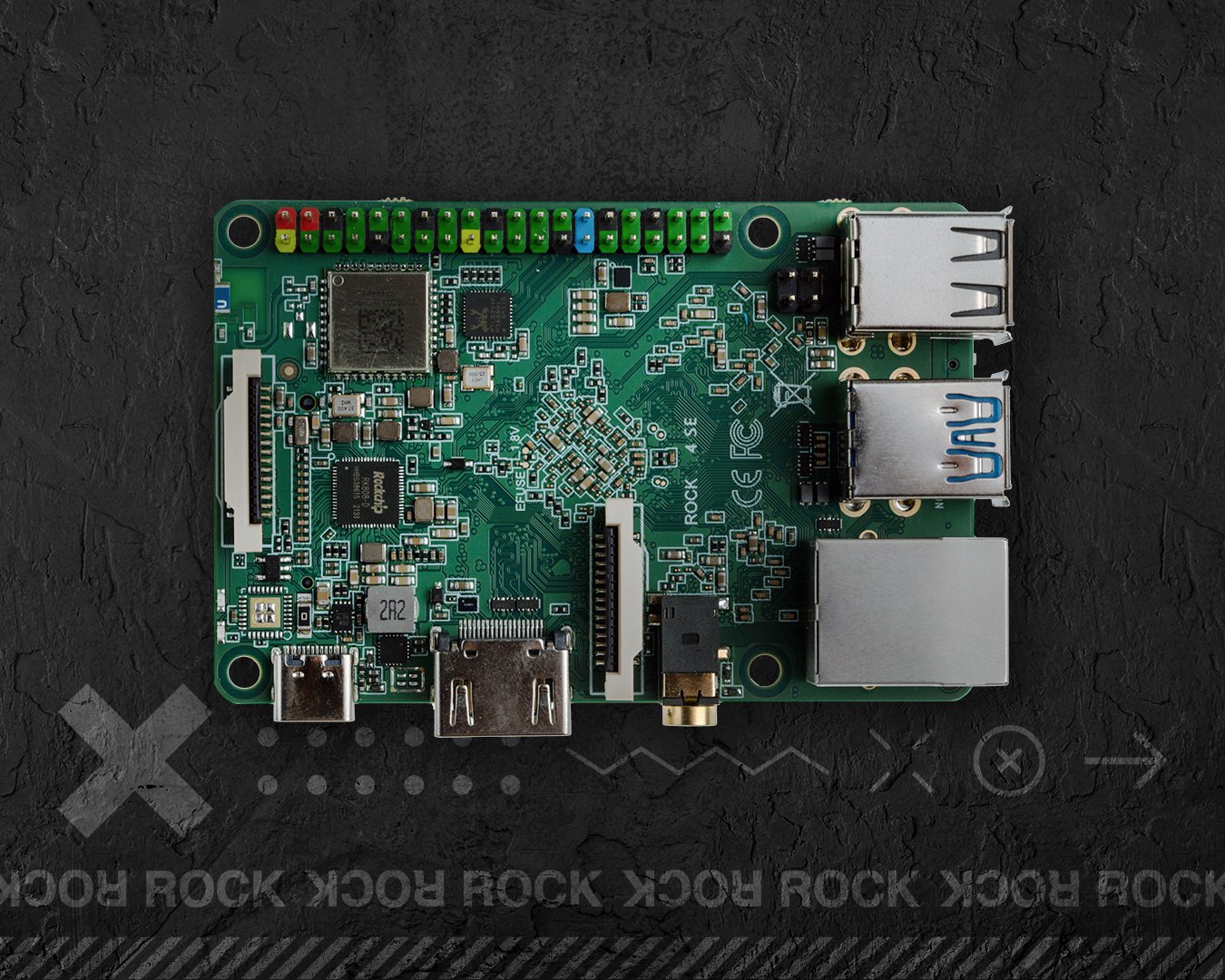 Figure 3. OKdo x Radxa ROCK 4 Model SE 4GB Single Board Computer. Source: OKdo
The fastest way to get to a custom product is to take the OTS design and depopulate the unneeded components. As long as it is known which components are not required in the custom design, the unused components can simply be omitted during assembly. This is a low-risk option that allows for easy testing and reconfiguration later. If, during a prototyping run of the custom product, it is found that some of the components should be placed back into the design, these can be placed back into the bill of materials (BOM).
This is the fastest path to adapting a new product from OTS hardware. Using a depopulated board will cost less when scaling to volume production because some components are eliminated, and the design could use less power. When scaling to volume production, these products will have a cost advantage and lower supply chain risk. Although depopulation is fastest and lowest risk, designers that want to gain the most control over all aspects of their design should develop their existing hardware design on a custom PCB.
Existing schematics, new layout
If the design engineer starts building a proof-of-concept or a prototype with a set of OTS hardware modules, or by developing directly on an MCU or SBC, it is easy to transition the existing circuitry and components into a custom PCB layout, assuming the company has experienced hardware engineers that understand PCB design for these systems. The functional aspects of the design have already been proven in the OTS hardware, as well as by the designer.
Why would designers go with a custom board? There are risks involved in developing these products, but there are some advantages over products that try to scale with OTS hardware.
- Up-front layout cost — While no new engineering is needed, there is some time and cost required to create a custom PCB layout. A knowledgeable design firm or a manufacturer can help in this area.
- Flexibility — The only flexibility gained by the designer is in placement of certain components, such as connectors or HMI elements like displays and buttons. Some part swaps with different footprints could also be made to reduce board space or complexity.
- Lowest risk for a custom product — Because the existing schematics are already known to be engineered correctly, it’s easier for an EMS to start modifying and get to a working product because so much of the up-front engineering work has been completed.
Whenever a new product is being built on a custom board, it is tempting to start adding new functionality into the product.
Totally custom product
Going the route of a totally custom board requires a designer to revise the schematics with any unused components removed, new components added and nets modified to produce the desired functionality. Once a set of schematics is revised and reviewed, the designer can floorplan the new custom circuit board and create a more desirable product form factor. The designer will have more freedom to place connectors, switches, buttons, screens or any other elements that enhance the user experience of the product. Some of the same risks involved in reusing schematics in a custom board also apply here, particularly because the additional circuitry in the schematics will need to be proven to work properly.
- Up-front time and cost — Revising schematics and creating a custom layout require more time and greater up-front costs than reusing existing schematics.
- Cost per unit — Although there is some greater up-front cost, the overall cost per unit for the finished PCBA can be reduced by eliminating components, board layers and board size.
- Design freedom — Virtually anything that can be imagined and functionally verified from prototypes can be implemented in the schematics. This is the most desirable option when taking the modular approach.
In the process of designing a custom PCB, the board will need to be sent for review and quote by a manufacturer to ensure high yield and quality. Design for manufacturing can be challenging for product developers who are not also PCB experts, which is why it is imperative to work with a low-volume, high-mix supplier that specializes in transitioning OTS hardware into custom products.
Engineering services
If a customer decides to transition their product away from OTS hardware, OKdo’s design team can create a custom PCB based on existing modules, open-source projects and proprietary designs. OKdo specializes in design, development and production of SBCs and IoT products, making them the perfect partner to help customers scale with a custom design. Whether the customer wants to adapt existing designs into a custom board or engineer something totally new, OKdo can help ease the transition and reduce design risk.
Manufacturing
All electronics will eventually need to be manufactured before they can be integrated into a new product. OKdo specializes in manufacturing of SBCs, IoT modules and custom PCB assemblies. OKdo’s manufacturing services span the following areas: 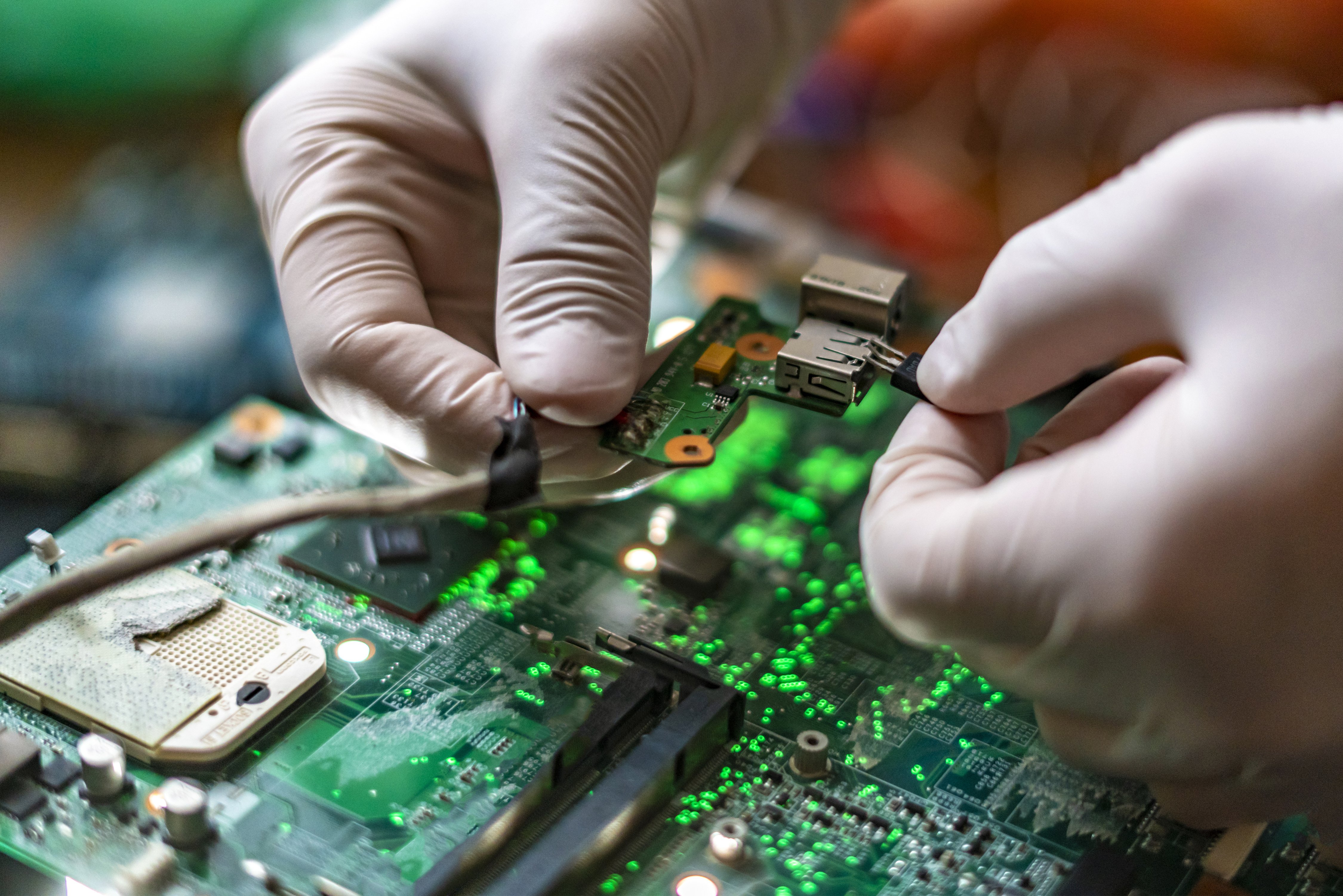 Figure 4. A custom board allows a custom form factor PCB size and shape, as well as a custom enclosure. Source: fox17/Adobe
- Low-volume production of prototypes, either by cloning OTS hardware or starting from a custom product design, or from customer-provided Gerbers and a BOM
- High-volume production of custom PCBs and end devices, which gives customers a streamlined path forward to transition away from OTS hardware
Not all design partners can provide a streamlined path to product realization. The path to product realization can be difficult, but the right design and production partner reduces risk and provides the highest quality hardware, no matter which design path is selected. OKdo provides a comprehensive solution to quickly develop, build, test and scale a new product.
About OKdo
OKdo is a London-based global technology company from RS Group PLC set to disrupt SBC and IoT segments. Offering a unique combination of hardware, software, development support, manufacturing services and community projects, it is the world’s first business uniquely focused on meeting the rapidly evolving needs of SBC and IoT customers, from makers and entrepreneurs to industrial designers, educators and resellers. Contact OKdo today to learn more about our product offerings and engineering services.
Powered by CR4, the Engineering Community
Discussion – 0 comments
By posting a comment you confirm that you have read and accept our Posting Rules and Terms of Use.
Advertisement
Advertisement
Popular News
Find Free Electronics Datasheets

Advertisement