
University of Michigan researchers have created a system that can inform a smart home without eavesdropping on audible sound, called PrivacyMic.
The team was inspired to create the new device while classifying pre-recorded audio. They were looking at a visual graph of data and saw that audible sound is only a small piece of available audio data that smart home devices gather. Inspired by this, a device was engineered that can detect commands but maintains user privacy.
Other privacy methods secure audio data after it is recorded and then limit who can access it. This leaves information vulnerable to hackers. With PrivacyMac, this kind of information does not exist. 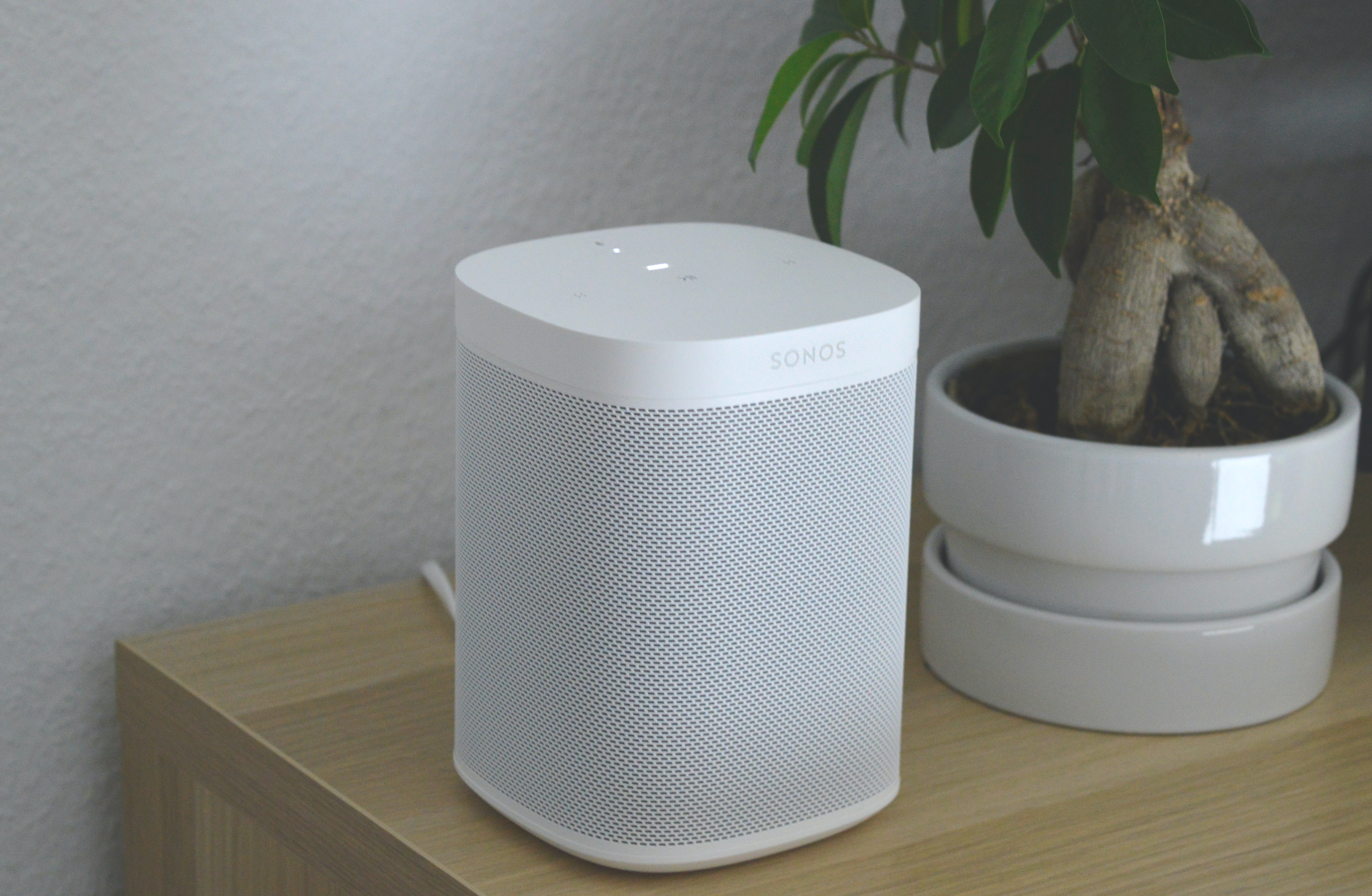 Source: Unsplash
PrivacyMic can detect ultrasonic sound at frequencies above the range of human hearing. It can piece together ultrasonic information in an environment to identify when services are needed and sense what is going on in the home. When tested, PrivacyMic could identify household and office activities with over 95% accuracy while being more secure than other security measures.
To create PrivacyMic, a laptop and ultrasonic microphone were used to capture audio from hundreds of common daily activities, like tooth brushing, toilet flushing and vacuuming. The ultrasonic signatures of the noises were compressed into smaller files with key bits of information while stripping out the noise that is within the range of human hearing. A Raspberry Pi-based device constructed to listen for ultrasonic noises accurately identified common activities over 9% of the time. After developing the device, researchers conducted a trial where participants listened to audio collected by the device to find what they can hear. None of the participants could make out any human speech.
PrivacyMic could be used in in-home ultrasonic devices that monitor homes of the elderly, monitor lung function in respiratory patients or listen to clinical trial patients for sonic signatures that would point to problems or side effects.
While the team says their device is several years away from mass production, they are working to bring this tech to the market.
A paper on PrivacyMic was published in CHI '21: Proceedings of the 2021 CHI Conference on Human Factors in Computing Systems.
