
Sponsored Content
Wired Connectivity
Understanding Fiber to the Desktop
03 February 2017
Sponsored content
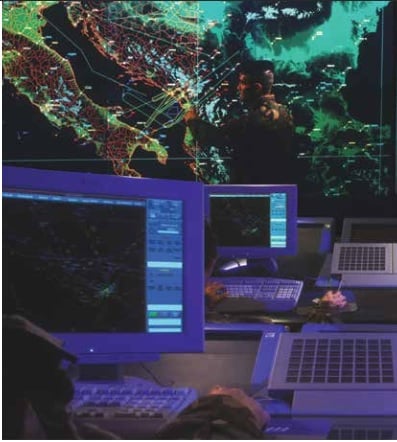 Security is the Key to This Architecture
As we explore the advantages of Fiber to the Desktop (FTTD),it is also important to focus on the significant upgrade in levels of security that it provides. While many standards bodies focus on data and cyber security, there is not an obvious and pervasive standard on FTTD networks and physical security. Black Box believes that our “four levels of security” describe the contribution FTTD can provide in both physical and network security.
At Black Box, this has been our first goal with FTTD architectures. How can we provide consistent and universal security representing physical, networking and data integrity? Our position is unique in that we supply products in all of these areas: cabling, infrastructure, networking and customer premises equipment (CPE). The idea is to define these security levels in an easy to understand way, and validate that peace of mind is well worth the total cost of ownership. FTTD can provide this.
Security Level 1
Security level 1 is the consideration of removing copper cable from the LAN/WAN network and replacing it with fiber optics. LANs using copper transport data streams as electronic transmissions that can only travel relatively short distances (100 meters or less) before re-transmission. What this means is that the data is relatively easy to snoop electronically. It also means copper has multiple access points within the office, such as in telecom rooms on each floor. Fiber optic cable solves both of these problems. Fiber converts the electronic data streams to light, which is much harder to snoop. Fiber optic transmission can also go long distances, allowing all cables to be homerun back to a secure location, without physical disruption. Security level 1 is simple ensuring that fiber optic technology eliminates the copper-based vulnerabilities from the network.
Find out the rest of the FTTD Security Levels and innovations developed by Black Box by reading our white paper (.pdf).
Powered by CR4, the Engineering Community
Discussion – 0 comments
By posting a comment you confirm that you have read and accept our Posting Rules and Terms of Use.
Advertisement
Advertisement
Popular News
Find Free Electronics Datasheets

Advertisement