
Fiber connectivity vendor Clearfield Inc. has expanded its distributed fiber optic sensing (DFOS) portfolio to continuously monitor the condition and security of outside plant fiber routes, offices, cell sites and other infrastructure facilities.
Clearfield said that distributed fiber sensing provides visibility along stretches of aerial, buried and conduit routes that the company claims is superior to standalone cameras or individual sensors. DFOS allows operators to detect:
- Digging activity
- Unauthorized access
- Tower climbs
- Temperature changes
- Cable strain
These can help prevent service outages, fiber cuts or other emergency problems, Clearfield said.
“Broadband, data center and wireless operators manage significantly different infrastructure, but they all face the same challenge: limited visibility into conditions across critical assets — whether that's miles of fiber, dense data center environments, remote edge and IoT sites, or critical border and perimeter infrastructure,” said Anis Khemakhem, chief commercial officer of Clearfield.
Khemakhem added that fiber sensing allows users to identify threats and changing network conditions, and then respond sooner to protect fiber assets.
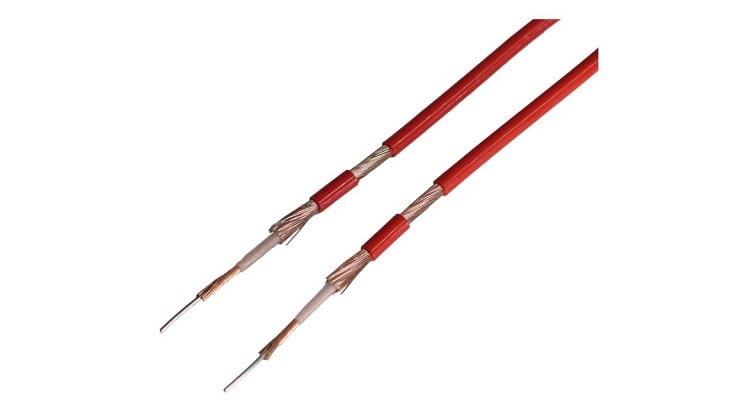
The DFOS portfolios include three types of sensing cables to monitor different conditions across fiber routes and facilities.
- Temperature sensing cables — identify changes and hot spots.
- Acoustic sensing cables — detect digging, climbing and intrusion.
- Strain sensing cables — monitor stress caused by ground movement, shifting poles and other physical conditions.
Why it matters
Why is it important to prevent network outages to data centers and other critical infrastructure? According to an Uptime Institute survey, outages cost more than $100,000 on average, but some respondents said some downtime costs more than $1 million.
The Uptime Institute survey found that outdoor infrastructure failures are becoming the predominant reason for outages. And those linked to fiber and connectivity issues are on the rise and will more than likely result in extended disruptions, Uptime said.
