
Sponsored Content
Power
A Complexity-Free Approach to Selecting High-Voltage Power Supply Modules
26 July 2018
Sponsored content
Designing a high-voltage supply can be a daunting task, especially if you’ve only dealt with more common low-voltage supplies, such as those used in consumer devices. Trends in miniaturization, power component functionality and integration have delivered small, low-voltage and low-cost packages. The criteria used for low-power supply selection does not scale well in the high-voltage realm.
While low-voltage supplies often focus on size and cost, high-voltage supplies typically deal with high precision and high stability requirements that are inherent to the end applications they service. The consequences of not understanding these differences can often result in a time-wasting and expensive process of trial and error to select the correct high-voltage power supply for the application at hand.
Removing unnecessary complexity involved in the selection of high-voltage power supplies is a key part in accelerating the product development processes - avoiding the risks of choosing a supply that is over-specified, under-specified, over-priced or one that is just incompatible.
What is Involved in the Selection Process?
When choosing a high-voltage power supply for ‘mission-critical’ applications (i.e. where the form, fit and function of the power supply directly affects the performance of the end application), it is imperative to have a clear view of the performance and operation of the supply before the rest of the system architecture is designed.
Central to the selection of a high-voltage supply is the need to understand the precision and accuracy of the supply, the physical and electrical environment that it will be located in, and how the supply needs to be controlled.
When not adequately considered, users can find themselves having to reprioritize power supply features, such as efficiency, size and performance, all of which can dominate the decision process of which high-voltage power supply to select.
In all cases though, avoiding an “almost fit” situation is imperative. The establishing of an approach to high-voltage power supply selection that removes the frustration from the process, is based on best practices and introduces no hidden costs, should be a priority.
Removing Complexity
So, exactly what knowledge is needed beforehand to make an educated high-voltage power supply selection?
There are three categories, or environments, to consider when investigating high-voltage power supply modules: electrical, physical and power supply functionality.
The following is an excerpt from Advanced Energy’s white paper that describes that top questions and related considerations that should be addressed to minimize complexity and provide clarity when selecting a high-voltage power supply.
Electrical Environment
In your design, what high-voltage output ripple performance is required? What is the maximum allowable ripple specification?
- Output ripple or noise on the high-voltage output signal can significantly affect application the performance and accuracy of the end application.
- Exaggerating ripple specification requirements can lead to higher expense supplies that provide more performance than is actually needed.
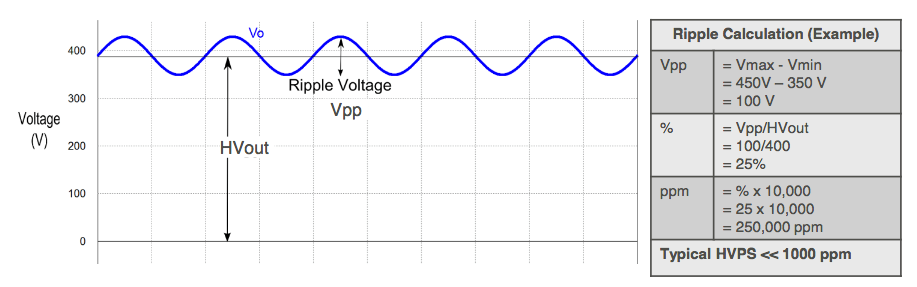 Figure 1. Excessive ripple can reduce measurement sensitivity or accuracy, as well as reduce reliability. Source: Advanced Energy Industries
Physical Environment
In your application, are there any footprint or size constraints?
- The mounting type, footprint, volumetric size of the connectors and other mechanical requirements can define the power supply selection and ultimately cost.
- Materials of construction can be important, particularly for portable applications, where weight and sensitivity to out-gassing (among other factors) are critical design considerations.
Power Supply Module Requirements
What type of power supply is required: proportional, regulated or amplifier?
- Proportional power supplies tend to exhibit lower accuracies and narrower operating range but are less expensive.
- Regulated power supplies are often considered ideal for most standard and precision applications but typically cost more than proportional supplies.
- Regulated capacitor charging supplies are ideal for applications where high energy transfer is required in a short time period.
- High voltage amplifiers provide fast response high voltage outputs and accurately track both the level and waveform of dynamic input signals.
Start with the Benefits First
Once the environmental and performance criteria have been defined, it is important to evaluate the features, advantages and benefits of a high-voltage power supply – starting with assessing the desired benefits first.
Moving from benefit back to feature may seem counterintuitive, however finding the right solution is much more reliable using this process.
As an example, if the desired benefit is to reduce product development time and expenses, one way to do this is to generate a partnership with a high-voltage supply specialist and avoid the time and cost of internal custom designs or trying to force-fit non-ideal supplies into the application.
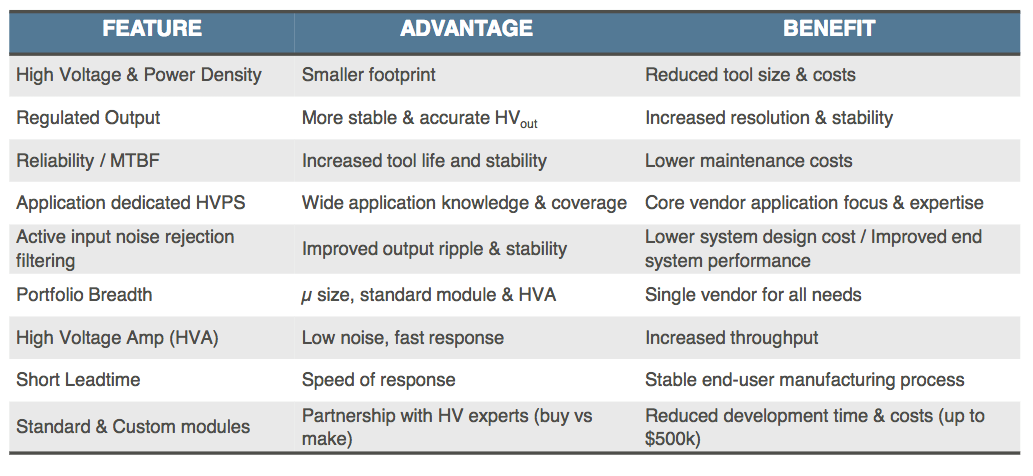 Table 1. Move from right to left. What benefit are you looking for? Source: Advanced Energy
The advantage of using the ‘benefit first’ approach is that it enables the vendor to understand what the customer is trying to achieve, link this back to how the product works and then make a more educated decision on what the required performance of the power supply is. This adds clarity to the selection process and can drastically reduce the risk of selecting the wrong product for the application.
Comparing and Contrasting Competitive Offerings
After weighing the answers from asking a complete set of selection questions and working backwards from benefits to features, what’s the next step? How do designers wade through the clutter and noise to find the actual high-voltage power supply and the vendor that provides it?
At this stage of selection, you will need to take a deeper look into exactly what is offered by different vendors, including their product portfolio and their available technical support. Areas to look for should include:
- Education, including webinars, catalogs and libraries
- Comprehensive but easy-to-understand datasheets with accurate specifications
- Easy-to-use tools that narrow selection possibilities
- Repeatable, demonstrable product performance
- Products that are intentionally designed for different applications
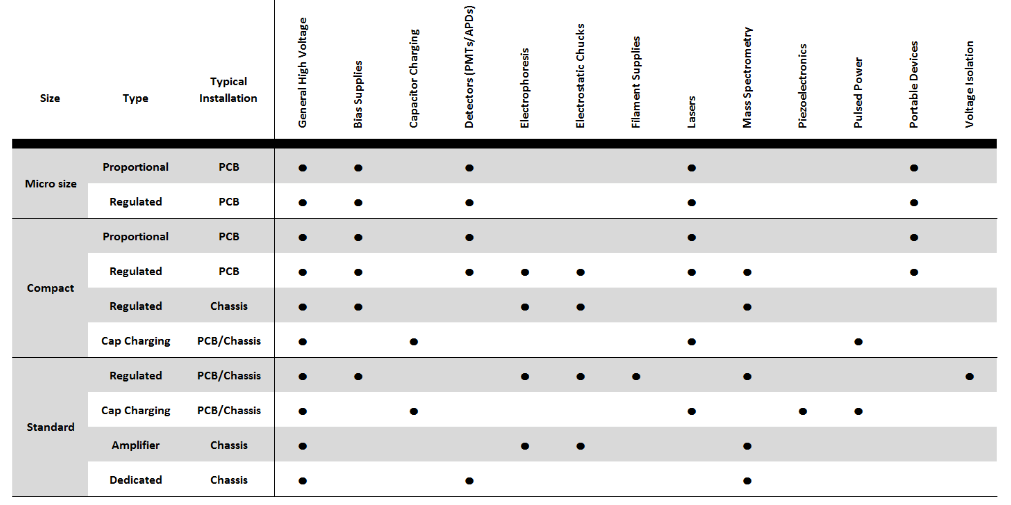 Table 2. High-voltage power supply by typical application; letting the application drive the selection. Source: Advanced Energy
Advanced Energy’s Approach
As engineers developing solutions for engineers, Advanced Energy knows that when there is confidence in the high-voltage power supply, engineers can concentrate on other critical design goals such as performance, reliability and cost. As a result of this, Advanced Energy’s HiTek Power® and UltraVolt® products have been designed to match all levels of system performance and complexity in both end user and OEM applications, with output voltages from 62 V to 500 kV and output power levels from 100 mW to 120 kW.
In order to simplify the sometimes daunting product selection process, Advanced Energy has created a set of resources (a number of which are listed below) to remove the complexity from - and simplify the process of - choosing a high voltage power supply.
- Webinars: Best Practices for Product Selection of High Voltage Power Supplies
- A comprehensive Quick Selection Chart
- Product information
- A reference library
- Clear, comprehensive datasheets (.pdf)
With nearly 40 years of successful power conversion and control technology history, a broad portfolio of proven solutions and rapid-response service and worldwide support, Advanced Energy is ready to partner with designers, simplify the selection process and quickly provide fit-for-purpose solutions for a multitude of application types.
To see how Advanced Energy can guide you through the high-voltage power supply selection process for your unique application, visit Advanced Energy.
Powered by CR4, the Engineering Community
Discussion – 0 comments
By posting a comment you confirm that you have read and accept our Posting Rules and Terms of Use.
Advertisement
Advertisement
Popular News
Find Free Electronics Datasheets

Advertisement