
The internet of things (IoT) is expected to grow significantly over the next few years with many new devices coming to market. The emergence of the IoT is expected to lead to exponential data growth as all of these IoT sensors and devices collect and analyze data. Traditional centralized data storage solutions are going to be difficult to maintain under the onslaught of information. The bandwidth requirements will likely overwhelm networks connecting the devices, particularly at the enterprise level.
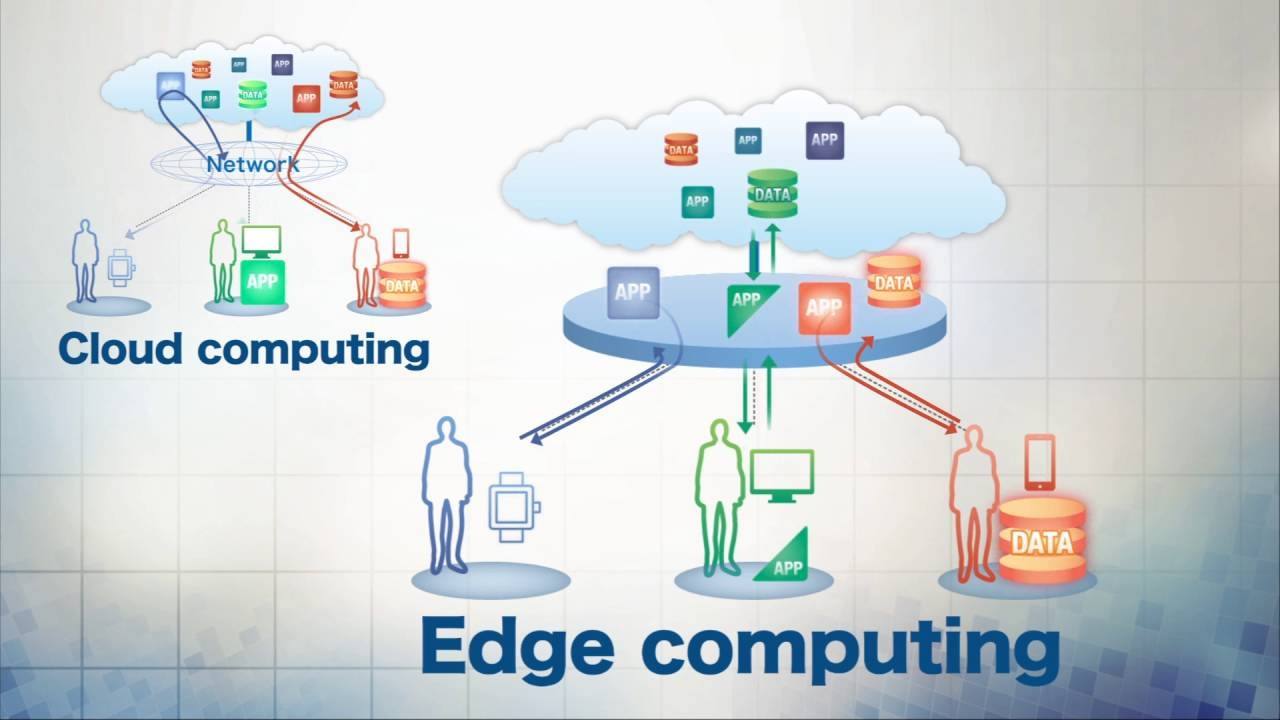 The cloud and the edge will offer different storage and processing solutions for different use cases. Source: Edge Computing MarketFortunately, there is a precedent for this sort of data issue. Airports, ballparks and other buildings requiring a lot of high-definition (HD) security cameras have used edge storage as a means of combating the flood of data. The amount of data produced by HD video cameras is large and the old method of connecting these cameras to a network, which then interacted with a central server room or the cloud, is impractical. Particularly so if the cameras need quick instructions with regards to incidents, such as switching to local memory and battery if its internet and power cables were cut.
Edge storage offered a practical alternative where the recorded video is stored either in the camera itself or directly to a connected storage device. This serves to decentralize storage. Each video camera has its own dedicated storage and the security camera data for a facility is spread out among many devices. When the video needs to be accessed, it can be called from the edge storage device for playback at a low resolution, low frame rate or by some other means that reduce the data burden on the network.
Embedded digital video recorders are the most frequent edge storage device used for capturing video camera data. The benefit is that if the network is down, the recorded video streams from the cameras are still being captured. A major concern regarding edge storage is security. A centralized storage location can more easily be monitored and secured. Improvements in device design have helped mitigate these security concerns.
The IoT opens a whole new market for edge storage. The sensors and switches that make up the majority of IoT devices produce a lot of data — too much data for a centralized storage approach in the long term. In addition, these devices also require increasing amounts of processing power. As a result, a wave of new edge devices designed for the IoT that feature storage and processing power are coming to market in the next few years.
Edge storage and processing will reduce latency and allow data to be processed in real time. Network disruptions will not interfere with IoT operations. If your network connection is not working or is dropping in and out, your IoT devices will still be able to provide streaming data to the edge devices and receive instructions based on analysis done by processors on the edge devices. In fact, since a lot of the processing for IoT devices could likely be confined to these edge devices, that data is more secure since it doesn’t have to travel to a hub or the cloud.
Cloud storage and processing has undoubtedly revolutionized the way companies and individuals manipulate and store data. The cloud has introduced significant efficiencies and has steadily reduced costs. Thus it is understandable if a trend towards decentralization in storage and processing seems counterintuitive. However, given the bandwidth limitations of networks and the huge amount of data the IoT is going to produce, it makes sense that the IoT shouldn’t necessarily work out of the cloud.
As computing and storage matures and devices become more varied, it is inevitable that one solution will not work for all situations. Desktop computers, laptops, smartphones, tablets and now the IoT offer different storage, processing and networking requirements and thus require different solutions. It’s clear that the cloud will continue to dominate storage and processing. Centralization adds too much efficiency and cost savings. However, decentralization has a part to play too. It’s equally clear that edge computing and processing will play an important role in our future as well.
