
Button batteries – those small, single-cell power-providing devices found in watches, calculators and other small portable electronics – are a serious risk to children who ingest them, which happens more often than one might think.
"Button batteries are ingested by children more (than) 2,500 times a year in the United States, with more than a 12-fold increase in fatal outcomes in the last decade compared to the prior decade," said Ian N. Jacobs, M.D., director of the Center for Pediatric Airway Disorders and a pediatric otolaryngologist at Children's Hospital of Philadelphia (CHOP). Jacobs served as co-principal investigator for a just-published study on the topic.
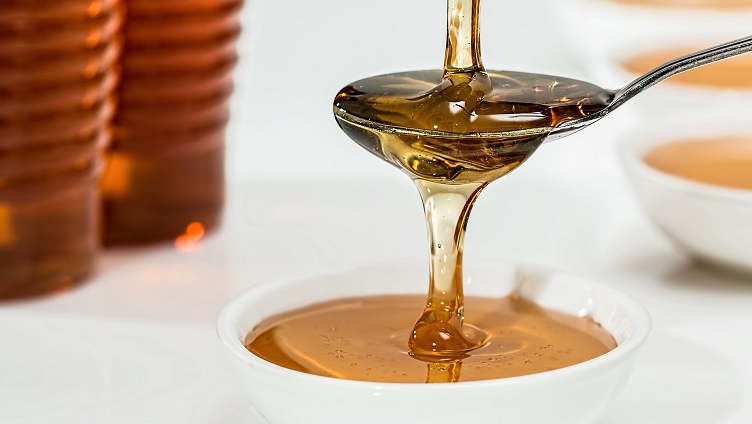
Of course, keeping the batteries in a secure container, away from curious eyes and mouths, is the ideal preventative solution. But what if the child has already swallowed the battery? According to Jacobs, there’s an action that should be taken right away: get the child to ingest honey.
"Since serious damage can occur within two hours of ingesting a battery, the interval between ingestion and removal is a critical time to act in order to reduce esophageal injury," Jacobs emphasized.
When the battery reacts with saliva and esophageal tissue, it creates a hydroxide-rich, alkaline solution that is essentially a tissue solvent. This can cause severe complications, such as esophageal perforation, vocal cord paralysis and erosion into the airway or major blood vessels. The longer it takes for the battery to be removed, the higher the risk – particularly for those without access to hospitals staffed with specialized anesthesiologists and endoscopists experienced in removing foreign objects.
Jacobs and his team studied interventions for mitigating these injuries in both a home and clinical setting, testing their effectiveness on laboratory pigs. Specifically, the researchers sought palatable, more viscous liquids that could neutralize harsh alkaline levels and create a protective barrier between the tissue and the battery. They experimented with various options, including common household beverages such as juices, sodas and sports drinks.
According to co-principal investigator Kris R. Jatana, M.D., a pediatric otolaryngologist and director of Pediatric Otolaryngology Quality Improvement at Nationwide Children's Hospital, the most protective effects were found in two substances: honey and sucralfate, a medication used to treat ulcers and GERD. Both had the effect of making the injuries more localized and superficial.
“The findings of our study are going to be put immediately into clinical practice, incorporated into the latest National Capital Poison Center Guidelines for management of button battery ingestions," Jatana said.
"Our recommendation would be for parents and caregivers to give honey at regular intervals before a child is able to reach a hospital, while clinicians in a hospital setting can use sucralfate before removing the battery," Jacobs added. However, the authors caution against using these substances in children who have a clinical suspicion of existing sepsis or perforation of the esophagus; a known severe allergy to honey or sucralfate; or in children less than one-year-old, due to a small risk of botulism.
The new study appears online in The Laryngoscope.

