
Sponsored Content
Industrial Electronics
Medical Device Manufacturers Make Their Marks
30 March 2018
Sponsored content
A critical component of every medical device is its marking. Marking provides a record of where the piece was made and can assist in efforts to trace it in the future. Labelling generally includes the identification of the manufacturer, the production batch and the device itself. All medical device makers must mark their products with permanent and traceable marks for a variety of reasons, including product liability and safety.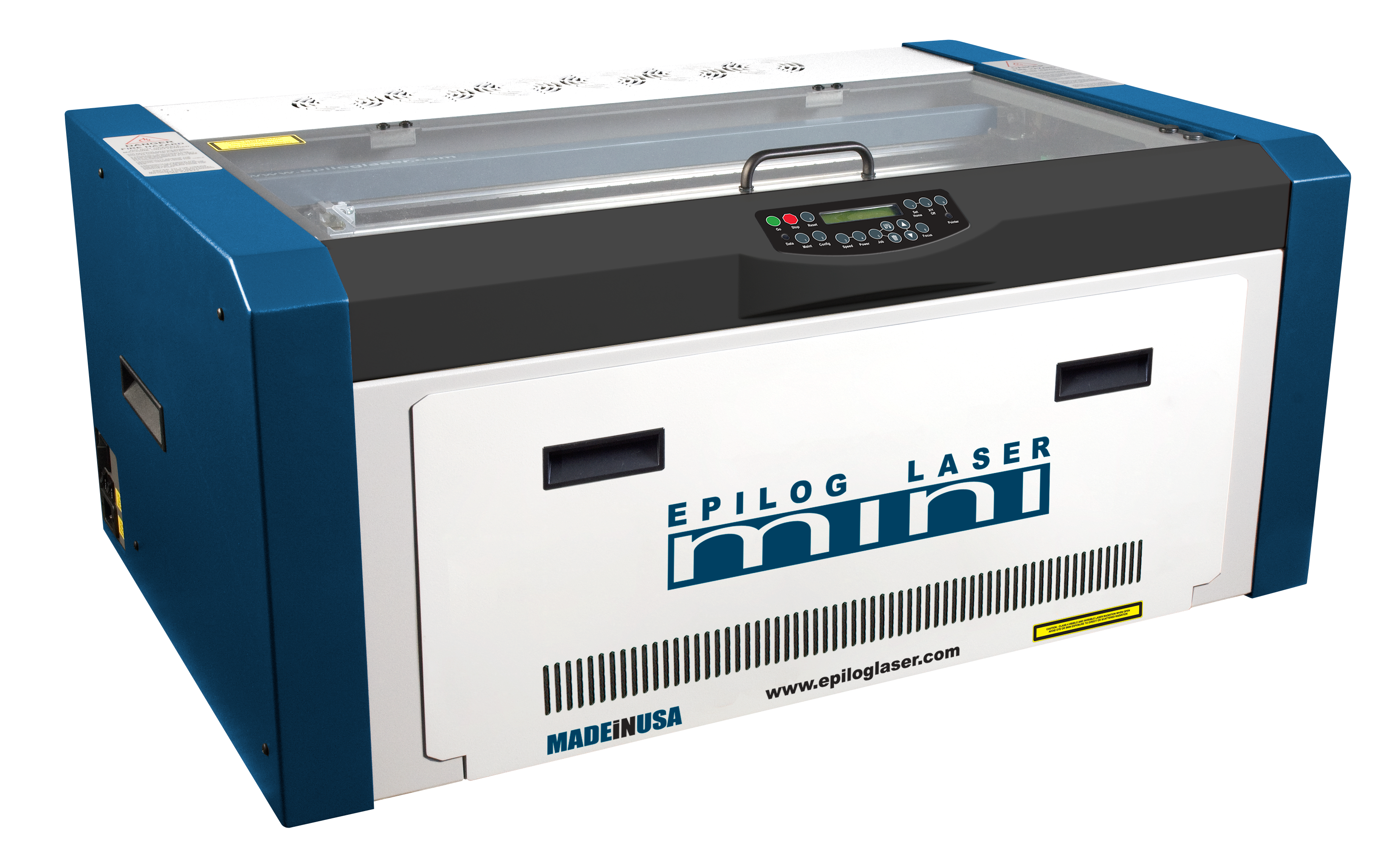 Figure 1. Fiber lasers are contactless, so no expensive bits ever need replacement. (Source: Epilog)
The European Medical Device Regulation requires the device as well as the manufacturer be identified by the labelling. Additionally, labels must be provided in a human-readable format, but they may be supplemented by machine-readable information. Nearly every type of medical product must be marked, including implants, surgical instruments and single-use products including cannulas, catheters and hoses.
Fiber laser marking is the technology best suited for defect-free device marking. Products that are fiber laser marked can be properly identified and tracked throughout their life cycles, which leads to better patient safety, simplified product recalls and improved market research. Laser marking is preferred for identification marks on medical devices such as orthopedic implants, medical supplies and other medical instruments because the markings resist corrosion and withstand vigorous sterilization processes, including centrifuging and autoclaving which require high temperatures to obtain a germ-free surface.
Fiber laser marking is an alternative to etched or engraved treatments, both of which alter the microstructure of a material and can cause changes in strength and hardness. Because laser marking is a non-contact form of engraving and works at high processing speeds, parts do not have to endure the stress and possible damage they might with other marking solutions. A dense cohesive oxide coating is “grown” on the surface; melting is not required.
Permanent, legible and accurate markings are defined by government guidelines for Unique Device Identification (UDI) on all medical devices, implants, tools and instruments. While markings improve patient safety by reduction of medical errors, offer access to relevant data and facilitate traceability of devices, it also serves to fight counterfeiting and fraud.
Counterfeiting is a multibillion-dollar market. Fiber laser marking provides UDI that distinguishes the manufacturer, product age and serial number, which helps combat counterfeit suppliers. Counterfeit devices and drugs are often sold at far lower prices, but are also of dubious quality. Not only does that put patient lives at risk, but it also compromises the integrity of the original manufacturer’s brand.
Fiber marking machines have a small footprint, and the diodes have a lifetime of anywhere between 50,000 and 80,000 hours, so they are convenient and offer a good value to customers. In addition, the devices don’t use harsh chemicals or high temperatures during the marking process, making them environmentally friendly. A variety of surfaces can be permanently laser marked in this way including metals, stainless steel, ceramics and plastics.
Fiber laser technology provides corrosion resistant, legible and reliable marking for medical devices and pharmaceuticals. Fiber lasers are an efficient means of permanently marking important medical devices per regulations, and for this reason has become essential industry equipment.
Powered by CR4, the Engineering Community
Discussion – 0 comments
By posting a comment you confirm that you have read and accept our Posting Rules and Terms of Use.
Advertisement
Advertisement
Popular News
Find Free Electronics Datasheets

Advertisement