
Sponsored Content
Aerospace
Thermal insulation: Enhance aircraft safety and performance
01 October 2024
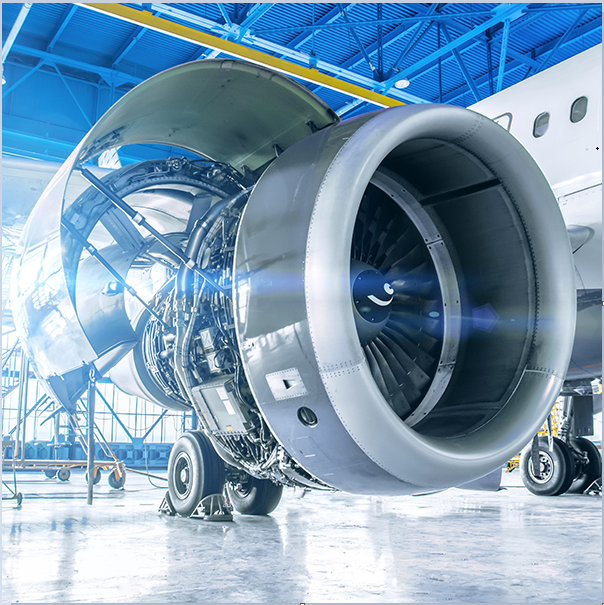
Figure 1: The primary purpose of thermal insulation in aircraft is to regulate and maintain temperatures while minimizing the transfer of heat between the interior and exterior environments. Source: Mid-Mountain Materials, Inc.
The primary purpose of thermal insulation in aircraft is to regulate and maintain temperatures while minimizing the transfer of heat between the interior and exterior environments. This protects critical components from fire and excessive heat, enhances energy, and ensures the aircraft’s many systems operate optimally under varying thermal conditions. The use and placement of thermal insulation in light aircraft, commercial aircraft and military aircraft will differ, but each type of aircraft relies on insulation to contribute to the overall comfort, performance and safety of the aircraft. While there are many forms of lightweight insulation, they can only be used in non-critical areas of aircraft and are commonly used as acoustic and noise insulation. Thermal insulation tends to weigh more, and has the critical task of providing heat and fire protection.
Where are the most critical areas to use thermal insulation in aircraft?
Aircraft thermal insulation is used where heat and fire protection are needed, and heat transfer is present:
Engine compartments
Substantial heat is generated in engine compartments of aircraft. Thermal insulation applied to the engine compartment wall and the firewall (between the engine and cabin) ensures heat is channeled away from sensitive systems and the main cabin, minimizing the risk of heat-related damage such as fire hazards and structural issues.
Window seals
A significant source of heat transfer in aircraft are the windows. A thermal insulation seal placed around the window keeps the interior temperature stable, reduces heat conduction and helps maintain cabin pressure.
Exhaust systems
Similar to insulation in engine compartments, thermal barriers and seals in exhaust systems reduce heat to protect critical systems and exhaust system components and reduces the amount of heat radiated into the aircraft structure.
Ducting systems
There are various ducts in aircraft that transport air for ventilation, heating and cooling. Insulating the ducts prevents heat loss or gain during transit, maintains the desired temperature of the air as it travels through the system and increases energy efficiency.
Main cabin walls, floors and ceilings
Placing thermal insulation materials in the walls, floors and ceilings of aircraft creates a barrier that prevents the outside temperature from affecting the interior environment and reduces the transfer of heat. Thermal insulation can have sound-absorbing properties that can dampen vibrations and reduce noise created by the aircrafts’ systems, engines or external sources.
Types of thermal insulation for critical applications in airplanes
Primarily, there are four different types of thermal insulation used in aircraft:
Fiberglass insulation
Fiberglass is one of the most common types of thermal insulation due to its low weight and high resistance to heat. It can be used as thermal barriers and seals, as well as sleeving for critical electrical components in aircraft.
Ceramic-based insulation
Ceramic-based insulation such as fabrics and blankets have excellent heat resistance and are commonly used as components around engines and exhaust systems. Ceramic-based insulation may also be found in window seals due to its thermal properties.
Silica blankets and fabrics
Silica is another high-temperature substrate that performs well in extreme thermal conditions. It’s lightweight and flexible and is often used to insulate critical components.
Coated fabrics
Coated fabrics are often used for thermal insulation in airplanes as the coatings enhance the properties of fabrics and textiles (sleevings, ropes, etc.). Silicone, neoprene and polyurethane are common coatings for aviation insulation applications, and have many benefits when combined with a high-temperature substrate.
What types of coated fabrics and textiles are used in aviation?
Many types of coated fabrics and textiles are highly valued in aerospace due to their robust properties:
- Temperature resistance: These fabrics can endure extreme temperatures without compromising their integrity, making them ideal for various high-stress aircraft components.
- Chemical resistance: Coated fabrics resist chemicals, oils and solvents, which is essential for standing up to the harsh substances often encountered during aircraft maintenance.
- Weather resistance: The ability to perform well in outdoor environments and resist UV radiation makes coated fabrics perfect for external aircraft parts as well as passenger boarding bridges.
Polyurethane (PU) coated fabrics
Polyurethane-coated fabrics offer a versatile combination of durability and flexibility, making them suitable for various aerospace applications:
- Water resistance: PU coatings provide excellent protection against rain and moisture, ensuring that critical components remain unaffected by water exposure.
- Flexibility: More flexible than some other coated fabrics, PU fabrics are well-suited for applications that require movement and adaptability.
- Breathability: Compared to vinyl, PU-coated fabrics offer better breathability, which can enhance comfort and functionality in diverse environmental conditions.
Specialized coated fabrics
Some coated fabrics are specifically engineered for aviation applications, offering specialized features tailored to the industry's needs:
- ARMATEX SF2 12-NF: Used for flexible cargo containers, pallet covers, smoke curtains and cargo liners, this polymeric high temperature fiberglass fabric helps to contain smoke and fire in cargo bays.
- ARMATEX SF 37 Jetstar: Designed for folding canopies on passenger boarding bridges, this silicone coated fiberglass fabric provides high resistance to flexural stress, abrasion and weather.
- ARMATEX NF 14 Cargo Tex: A fire-resistant neoprene coated fiberglass fabric used for smoke curtains and liner fabric in the cargo bays of commercial and cargo aircraft.
Applications of coated fabrics and textiles in aviation
In addition to performing as thermal insulation materials, the versatility of coated fabrics makes them excellent for use in other applications:
- Sound insulation: Used to dampen noise and improve passenger comfort.
- Back panels for luggage bins: Providing durability and protection for storage areas.
- Aircraft loading walkways: Ensuring safe and secure boarding for passengers.
- Smoke seals: Enhancing fire safety by containing smoke and preventing its spread.
- Cable covers and sleeves: Protecting electrical systems from environmental hazards.
- Engine and plenum seals: Offering high resistance to extreme conditions in engine compartments.
The weight factor of thermal insulation
In aviation, weight is a critical factor and the trade-off between insulation performance (thermal, acoustic and fire safety) and weight must be carefully assessed in aircraft design. Insulation weight in aircraft can affect fuel efficiency, payload capacity, and takeoff and landing performance. Due to overall weight restrictions set by the Federal Aviation Administration (FAA) and the European Aviation Safety Agency (EASA), the insulation requirements must also be balanced with other components of the aircraft such as fuselage, engines, fuel, passengers and cargo.
While insulation materials must be as lightweight as possible to ensure efficiency and performance, these materials must also be robust enough to provide the safety protection requirements. This challenge can be addressed by selecting heavier insulation in or near high-heat areas such as engine compartments and firewalls, and lighter weight insulation such as foam, honeycomb or AeroGel in non-critical areas.
Thermal insulation is integral to the aviation industry, offering a range of benefits that enhance the safety, performance and durability of aircraft. High-temperature resistant fabrics/textiles and specialty coated fabrics that provide chemical and heat resistance are designed to meet specific aviation needs, ensuring the demanding standards of aviation are met. As advancements continue in materials science technology, even greater innovations that will further elevate safety and efficiency standards in the skies can be expected.
Powered by CR4, the Engineering Community
Discussion – 0 comments
By posting a comment you confirm that you have read and accept our Posting Rules and Terms of Use.
Advertisement
Advertisement
Popular News
Find Free Electronics Datasheets

Advertisement