
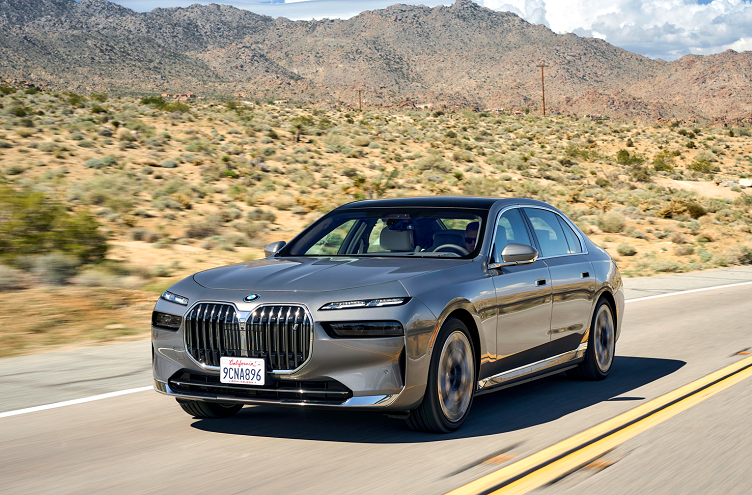
With the largest transition in automotive history underway — the conversion of automotive fleets to electric — California energy giant Pacific Gas and Electric Company (PG&E) and BMW of North America are testing how vehicle-to-everything (V2X) technology can help offset growing demand on the power grid.
The goal is to improve reliability for electric vehicle (EV) owners and maximize the use of renewable energy as well as eventually enable customers to use their vehicles as backup home generation when needed.
PG&E has been testing the use of EVs to power homes in the event of power outages or natural disasters since early 2022 with partnerships with both Ford Motor Company and General Motors to use their electric trucks as an on-demand power source for homes when needed.
The V2X testing will take place in San Ramon, California, and will be the focal point of using EVs as a flexible grid resource. This may be needed sooner rather than later, particularly in California where the state surpassed 1.5 million EV sales earlier this year, about two years ahead of its schedule for conversion to the electrified models.
With so many new EVs on the road and the state banning gasoline- and diesel-powered engines soon, the strain on the electricity grid will be substantial. Because of this, the state is exploring how to use the same technology straining the grid to help counterbalance it.
“Electric grid sustainability is becoming an increasingly complex challenge across the U.S.,” said Adam McNeill, VP of engineering at BMW of North America. “That’s why we started our ChargeForward program in 2015, to connect our vehicles, our customers and the grid. V2X takes smart charging to the next level, exploring how EV batteries can be used for backup generation and other grid services.”
Returning energy
V2X technology will allow EV drivers to return excess stored energy from their vehicle batteries back to the grid in exchange for compensation. PG&E said this will help in responding to high-demand power conditions and will be a key solution for grid stability.
Additionally, V2X technology could play a role in increasing the amount of greenhouse gas-free resources powering the grid by storing solar and wind energy generated during the day to supplement the availability of clean energy during peak hours of nighttime.
How it works
During the pilot project, the companies will assess how homes can maximize renewable energy use by switching between EV battery stored renewable energy and grid-provided renewable energy.
The EV battery charges when renewable energy on the grid is highest and the battery discharges throughout the day to support a home.
PG&E said the results of vehicle-to-home connected EVs provide double the amount of renewable energy that a typical California home would be able to use on an average day. This means greener energy would be used daily.
