
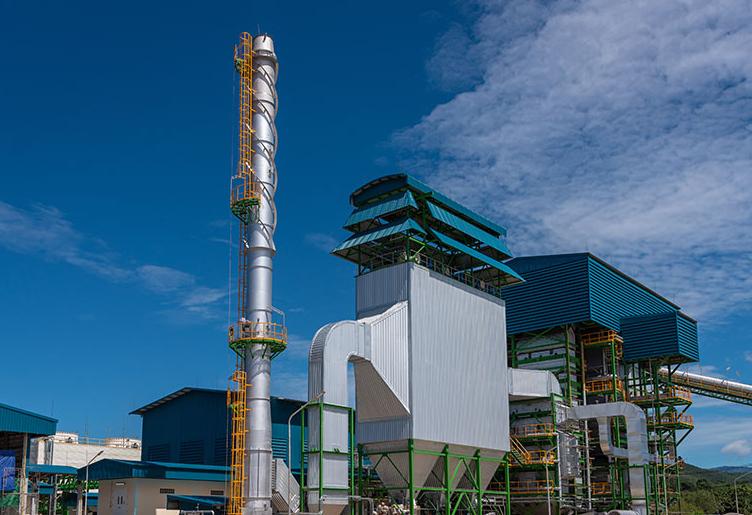
In simple words, biomass can be described as the organic material (plant or animal) used for the production of energy in electricity or heat. It can also be used for various products as their raw substance on an industrial scale. Any natural material, like wood residues, animal farming horticulture and even dung, can be used as organic material for energy production.
These days, every country no matter developed or under-developed use biomass as a main source of energy. They use their waste effectively so that they can match with future demands of electricity. To cope with the ever-increasing demands of energy, more effective, efficient, successful and economical biomass electric generation systems are needed.
There are many forms of biomass, some of which are listed below.
Agricultural and wood products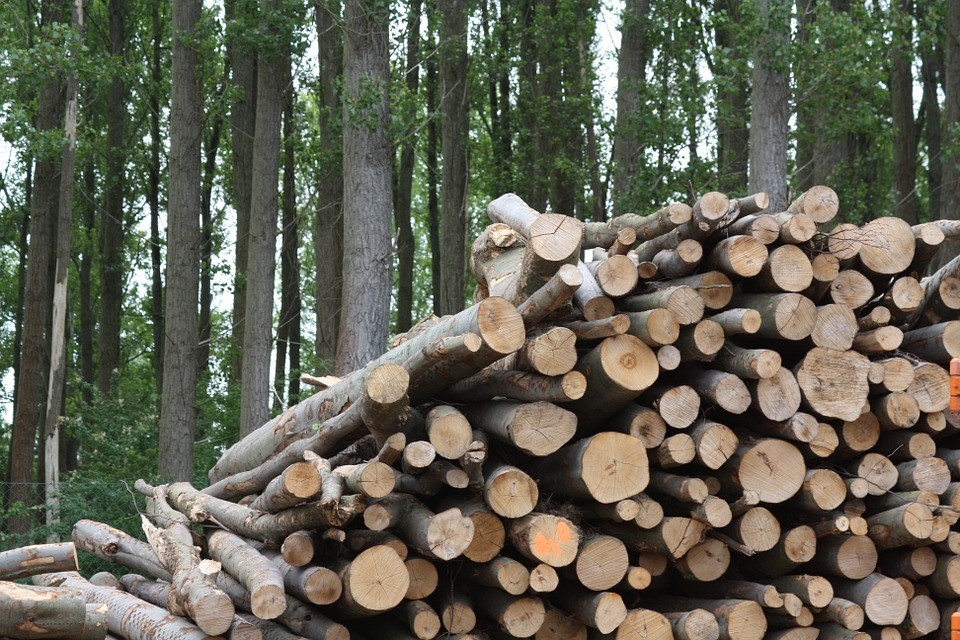 Figure 1. Wood is the largest source of biomass fuel.
Agricultural and wood products are one of the most common biomass materials for electricity production. Agricultural and wood products are comprised of logs, bark, sawdust and wood residues.
Biodiesel
The main products used for the production of biodiesel are vegetable oil, recycled grease and animal fat. The biodiesel can be used in cars, trucks and ships as normal diesel. The main advantage of using biodiesel is that it reduces pollution.
Solid waste
Solid waste is also one of the largest forms of biomass but in solid waste, almost 50% of energy is produced by non-biomass like plastics.
The energy produced from 1 ton of solid waste is equivalent to that produced from 500 pounds of coal.
Bioethanol
Bioethanol is alcohol-based biofuel and can be used in vehicles, mainly high-performance vehicles. The main product needed for the production of bioethanol is plants.
Biogas and landfill gas
Sewage and agricultural wastes are used for the production of biogas or landfill gas. To make these products rot more quickly, large high-temperature digesters are used which produces gas that can be used as fuel.
Biomass processes
Combustion
Combustion is a conventional method, in which organic material (biomass) is being burned under high pressure for the generation of steam. Usually, the efficiency of this conventional Rankine cycle ranges from 23% to 25%. The steam produced can either be fully condensed to power a steam turbine for power production, or it can be used for any other heating activity. Other than this, it can also be used in a coal-fired plant where it is being burned with coal.
Gasification
The end product of gasification is a gaseous product either syngas or producer gas. These products are produced when organic materials (biomass) are being burned partially in the presence of low oxygen. You can also use In-direct or allothermal gasification process. In this process, the end products are carbon monoxide (CO), water (H2O), carbon dioxide (CO2), hydrogen (H2), tar and char.
In in-direct gasification, a gasifier can either be a fixed bed, fluidized bed configuration or an entrained flow configuration.
The end-products of the in-direct gasification can be used in the following:
- Combustion engines
- Micro-turbines
- Fuel cells
- Gas turbines
Pyrolysis
Gasification systems are considered to be the superset of pyrolysis. The end product of the pyrolysis process is liquid bio-oil and some gaseous and solid products. In pyrolysis, at a very low temperature ranging from 450o C to 600o C, the partial combustion is stopped. The liquid bio-oil produced can be used for the production of electricity as a fuel.
Biochemical process anaerobic digestion
The end products of this bio-chemical anaerobic digestion are methane and carbon dioxide, and these products are mostly referred to as biogas. This process can take place in almost any decomposing biological material under favorable conditions (warm, wet and airless). The end product can only be used after clean-up. It can be used in the following things:
- Internal combustion engines
- Micro-turbines
- Gas turbines
- Fuel cells
- Stirling engines
- Distribution if upgraded to biomethane
General biomass electricity generator system
Regardless of the differences in the biomass process, all processes use more or less the same general biomass system in which the biomass process is carried out. There are several key components of a simple biomass electricity generation system.
For example, for a steam cycle, the following components are important:
- Fuel storage and handling equipment
- Combustor or furnace
- Boiler
- Pumps
- Fans
- Steam turbines
- Generators
- Condenser
- Cooling tower
- Exhaust and emissions controls
- Automated system controls
Generally, fuel storage space, controls and some fuel handling equipment are considered vital components for every biomass system. For example, a simple system that uses wood chips, sawdust as its organic material has two fuel storages, for short-term storage, it uses bunker or silo and for larger storage, it uses outside fuel yard. In an automated control system, some combination of cranes, reclaimers, front-end loaders, belts and pneumatic transport is used for conveying fuel from the outside storage area. To transfer biomass from piles to bunkers or silos, manual equipment is being used, but this process requires high labor, equipment operations and maintenance costs. To avoid this labor cost, it is better to use automated stackers.
System operation
Other than organic material used for the generation of biomass energy, almost all the biomass electricity generation systems are similar in operation. The form of organic material changes which results in the change of end-product and their use.
In a direct combustion system, steam is generated when hot gas is fed to the boiler and hot gases are produced by burning biomass directly in a combustor or furnace. And this steam is then further utilized in a steam engine or steam turbine for the production of mechanical or electrical energy. In this process, processed biomass is used as the fuel of the boiler.


