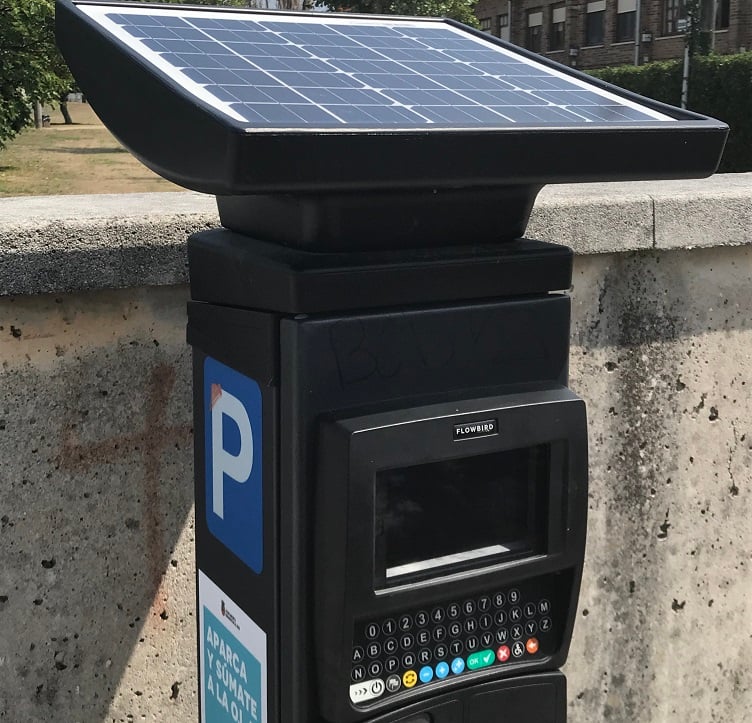
The Wi-SUN Alliance is positioning low-energy, energy-harvesting devices as the next meaningful expansion of the internet of things (IoT).
These devices, penned as a growing sector called ambient IoT, includes those that can be installed where power is hard to reach and then operate for years with little or no manual intervention.
“An increasing number of devices are using renewable energy sources for their local power supplies, like smart parking meters,” said Phil Beecher, president and CEO of the Wi-SUN Alliance. “There are also sensor applications where mains power is unavailable or expensive to provide, where energy harvesting will have the greatest impact.”
 Phil Beecher is the president and CEO of Wi-SUN Alliance.Reducing energy consumption for these sensors greatly reduces operating costs, Beecher said. Using ambient light and energy harvesting amplifies these benefits as they require no manual intervention through device lifespans, he added.
Deployable at scale
Many of the traditional IoT discussions frequently focus on what the devices do: Monitor energy, detect moisture, turn the lights off.
However, with the release of the Wi-SUN Alliance’s FAN 1.1 Low Energy certification in February of 2026, it opens the door for battery-powered and energy-harvesting nodes to join the same secure network and the higher-power infrastructure devices. Allowing thousands of new energy harvesting devices to be deployed at scale by utilities and cities without needing frequent manual maintenance or a separate infrastructure.
This includes:
- Smart parking meters
- Methane detection
- Fault monitoring
- Leakage detection
- Water and gas meters
- Smart agriculture, like soil moisture meters
- Rural deployments
“For example, utility companies can deploy gas and water meters and smart sensors onto the same network as their electricity meters, using the same network management and secure authentication,” Beecher said. “Similarly, municipalities can add low-power smart city devices, such as solar-powered parking meters, into the same network as their streetlights. Ultimately this reduces infrastructure and installation costs.”
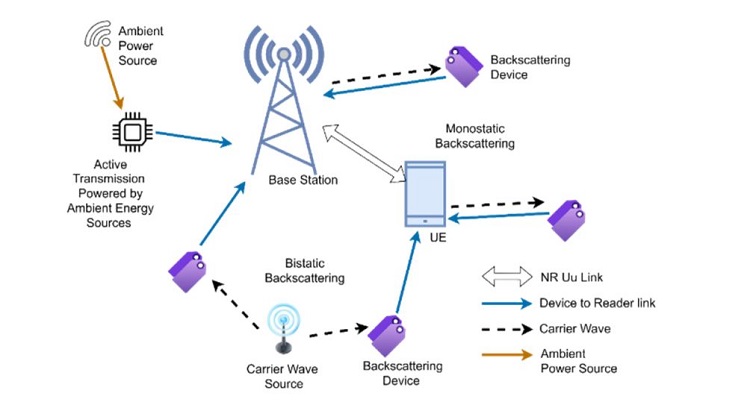 An example of an ambient IoT network and how it uses existing infrastructure but requires little to no user maintenance. Source: 3GPP
Ambient IoT rising
Not surprisingly, ambient IoT is set for rapid expansion in the IoT sector as standards body 3GPP has created new standards for the energy harvesting devices in its Release 19 and later releases.
Ambient IoT is finding a place where existing cellular IoT technologies cannot meet an energy harvesting device’s low cost, low complexity and low power consumption requirements.
Why ambient IoT is important in smart cities and smart homes is that it uses existing infrastructure — cellular or Bluetooth connectivity — using smartphones, access points or towers already in place. Additionally, most devices because of their energy harvesting characteristics operate without user intervention or action, sometimes for five or even 10 years at a time. Finally, it allows for existing networks to be scaled to everyday things.
ABI Research forecasts ambient IoT device shipments to reach 1.1 billion units by 2030, up from just 121 million devices in 2024. Bluetooth-enabled devices account for 80% of these 2024 shipments and Bluetooth is expected to connect about 795 million ambient IoT devices by 2030, or about 71% of all these devices.
“Wi-SUN is extremely well-positioned to support ambient-IoT devices, especially with the addition of LE certification; the possibilities are endless,” Beecher said.
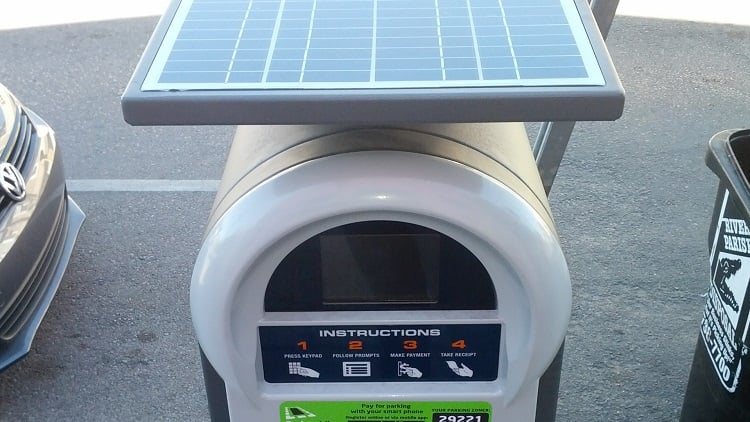 A solar parking meter in New Orleans, Louisiana. Smart meters are likely to grow in importance in smart cities as energy harvesting solutions become a meaningful expansion in IoT. Source: Eric Fischer/CC BY 2.0/Wikimedia
Where it matters most
IoT energy harvesting matters most in deployments where mains power is either unavailable or simply too expensive to extend.
Devices could be deployed but the infrastructure costs are too great or energy is not there. These ambient IoT devices would meet the challenge of not just connectivity but the power.
With energy harvesting, Beecher said, there is no constant manual intervention as the devices draw from renewable or ambient sources and operate with lower ongoing maintenance demands.
This is why energy harvesting is particularly compelling for smart cities and utilities as scale matters and avoiding truck rolls, battery replacements and new power architecture is of paramount importance.
Beecher said energy harvesting is not limited to dense urban infrastructure as rural deployments — like agriculture — could use these IoT devices because power is often hard to provide in the first place and harder as farms expand.
This moves energy harvesting from just a feature in IoT to a new path for connected infrastructure, where traditional power requirements may have previously ruled out many device use cases.
 How the Wi-SUN FAN 1.1 specification for ambient IoT energy harvesting devices works for utilities and mesh networks. Source: Wi-SUN Alliance
Unified network
Due to its ability to reach both municipalities and residential infrastructures, a unified Wi-SUN network is emerging.
Beecher said the National Grid, a British electricity and gas company headquartered in London but also has Northeast U.S. infrastructure, is deploying Wi-SUN FAN-based electric and gas meters in the New England area and plans to include methane sensors on the same network.
There are also potential uses cases for utility companies to include EV chargers or pool pumps installed on the same network, he added.
