
In the past, automobiles had minimal electrical systems and relied mainly on mechanical systems. Today, there are many electrical functions such as seat heating and cooling, comfort systems, and assistance systems that draw a lot of electricity from the battery. In a 12 V vehicle electrical system, higher and higher currents must flow. To prevent the on-board network from failing, manufacturers are installing a second, stronger network in the car in parallel with 48 V DC.
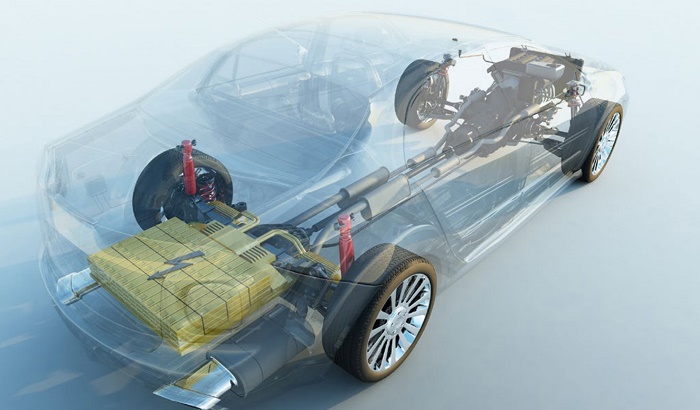 A combined on-board network of 12 V DC and 48 V DC helps to supply the constantly growing number of electrical consumers in cars with energy. Source: Schurter
The new 48 V DC system does not replace the previous 12 V DC system but rather complements it. Many proven components in the vehicle can be effectively operated with 12 V DC. This would make a complete switch to higher voltages unnecessarily expensive. Not all electrical loads will therefore be converted to the higher voltage in the future. One of the main reasons for this is the availability of components that are either designed exclusively for 12 V or are clearly more expensive as a 48 V DC variant. In addition, many electrical consumers require little power and are in good hands in the 12 V DC on-board network.
Access this white paper from Schurter to learn more about the advantages, disadvantages and integration of 48 V DC technology.
