The automotive industry is changing rapidly. With the advent of electric cars and consumers’ desire for cleaner vehicles, the market is being flooded with new and interesting ideas coming from inside the industry and from those on the outside looking to capitalize on a growing opportunity.
The industry has already seen many changes from within as more automotive OEMs pledge to offer full fleets of electric vehicles in the coming years. But these same companies are looking beyond just simple plug-in electric vehicles and into cleaner methods of travel.
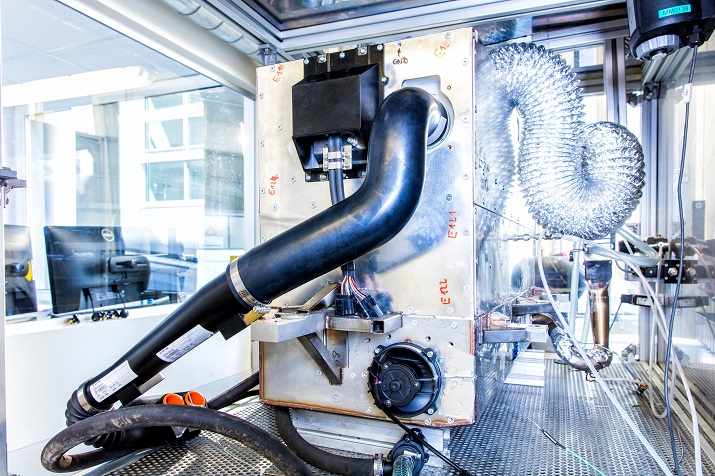 Nissan’s SOFC system testing engine could provide a cleaner method of transportation than anything currently on the market. Source: NissanNissan Motor Co., Ltd. unveiled such a plan in the form of a solid oxide fuel-cell (SOFC)-powered engine that runs on bio-ethanol electric power. SOFC is a fuel cell that uses the reaction of multiple fuels—including ethanol and natural gas—with oxygen to produce electricity.
The fuel cell uses hydrogen transformed from fuel via a reformer and atmospheric oxygen to power the vehicle. The e-bio fuel cell using SOFC as its power source allows for greater distance ranges than current electric vehicles (more than 600 km), but it retains the features of electrification such as a silent drive, linear startup and brisk acceleration, Nissan says.
Nissan plans to offer future iterations of the e-bio fuel cell to include ethanol-blended water as the fuel, which is far safer than current gasoline or diesel-based fuels. Nissan believes this fuel cell can be applied to more than just passenger cars and could be used for a fleet of transportation buses or delivery trucks.
To contact the author of this article, email engineering360editors@ihs.com